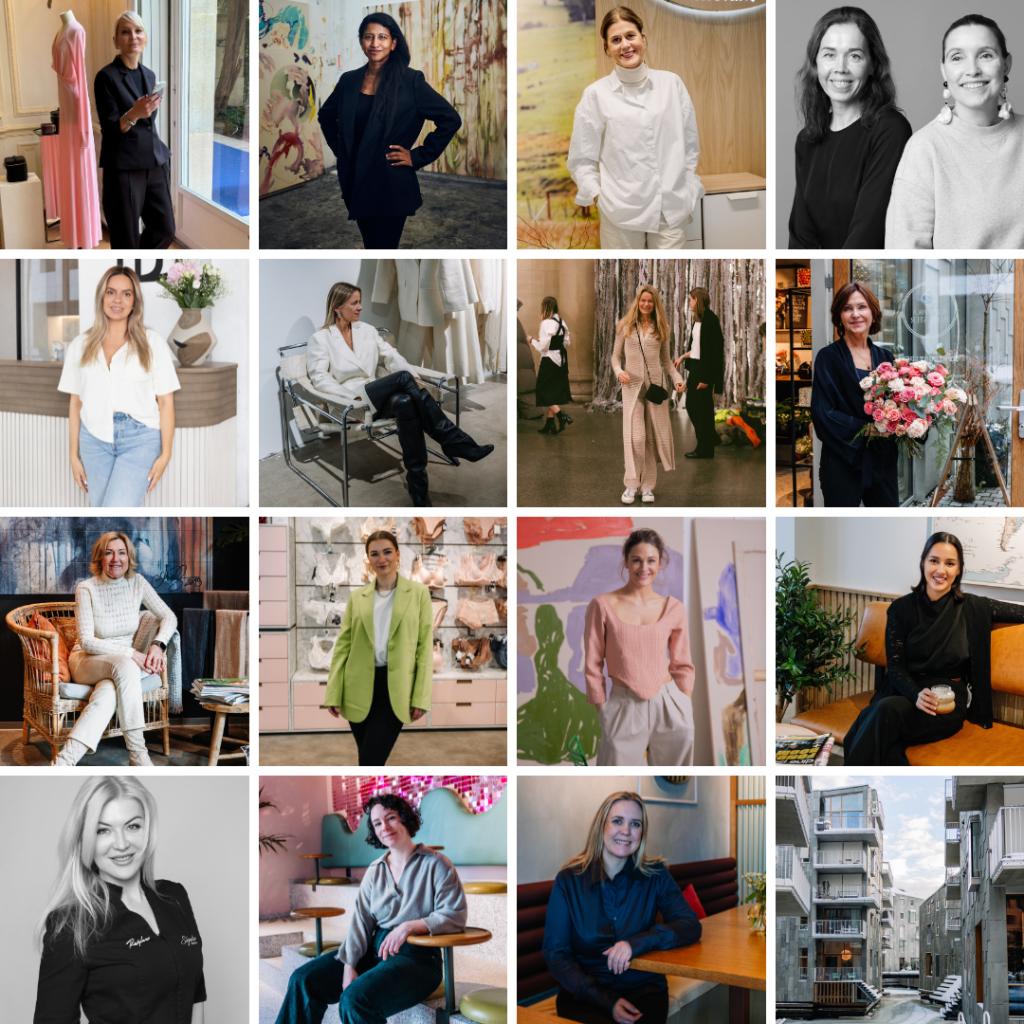
On the occasion of Women's Day, we want to highlight inspiring women in Oslobukta. We have had a chat with female entrepreneurs about what inspired them to start their own business, the most positive and most challenging aspects of being an entrepreneur and what advice they would give to other women. Get to know the talented ladies behind different concepts and brands. Maybe they inspire you to bet on your dream?
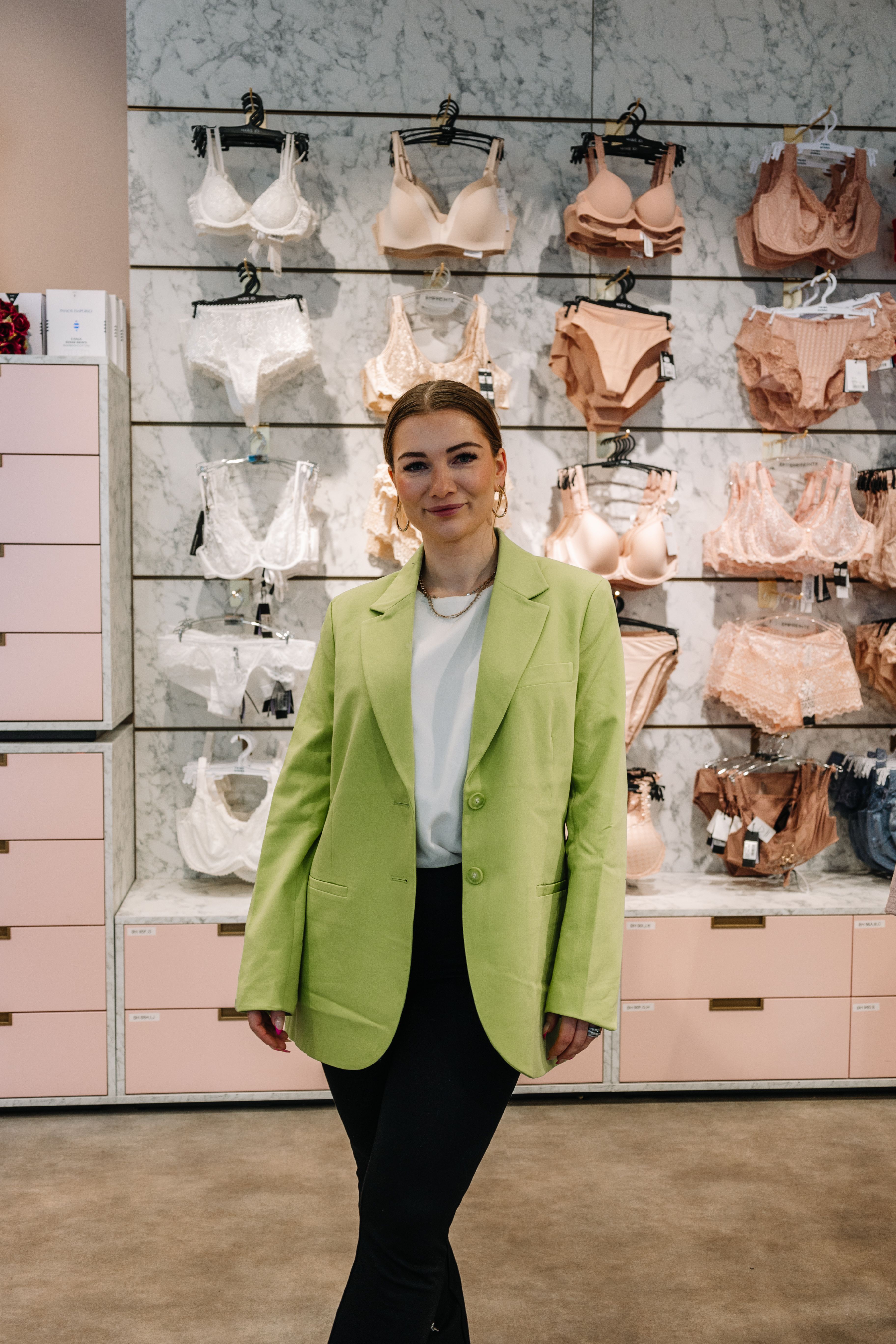
1. What inspired you to start your own business? Firstly, I love fashion and everything to do with that world. I had a drive to do something of my own that I could design exactly as I wanted, and that would be 100% me in a company. Then I discovered underwear, which is a world of its own, and I was simply hooked! I discovered how problematic it was for many with underwear and swimwear and wanted to make a difference with my company, no matter how big or small.
2. Tell us about your concept and how it came about? My concept is really quite simple: nice underwear and swimwear for everyone! Feel comfortable with the expertise and professionalism we offer, tailor-made for the innermost layer! Then I have a thing for nice swimwear and found out that this was something that many people found very difficult to find, so over time we have also got a lot of swimwear in the store.
3. What is the most positive thing about being an entrepreneur? What is the most challenging? The most positive thing about being a founder is that you work for yourself and create something entirely on your own that is only yours. At the same time, you get to work with both your hobby and your passion at the same time. The most challenging thing is undoubtedly that it is a lifestyle and not a job. You are at work all the time anyway, and that is both positive and negative. After all, the company is like a baby: absolutely fantastic, but also very revolutionary and all-encompassing.
4. Give advice to other women – or tell about a female entrepreneur/leader who inspires you. Never look at others and what they are doing. Run your own race and have faith in your idea, because otherwise you will just be one of many and lose the essence of your company.
1. What inspired you to start your own business? I have always had clear goals and dreams about what I want and what inspires me. Seeing the result of what you have envisioned gives me enormous motivation and drive to continue.
2. Tell us about your concept and how it came about? The road has been made as I have walked it. But, I have always been driven by working together with and influencing other people. The driving force has been to lift the individual employee and the hairdressing profession to a higher level. I have always focused on a high level of competence, it gives a sense of pride and mastery of our subject. To get that feeling, good specialist knowledge and a high degree of professionalism must lie at the bottom. Our guests will be greeted by knowledgeable, dedicated and service-minded hairdressers with us every time they come.
3. What is the most positive thing about being an entrepreneur? What is the most challenging? Most of all, it's the rush of happiness you get when you see your colleagues succeed and feel mastery in everyday life. Seeing the results of what you have created and the driving force it provides to develop the concept further.
The challenges can be many, especially because you are responsible for other people and their workplace. Getting hold of the right employees, who believe in the same things as you, can be experienced as demanding at times.
4. Give advice to other women – or tell about a female entrepreneur/leader who inspires you. Go for what you believe in and trust yourself. Most female entrepreneurs succeed, and in addition make the world a better place to be.
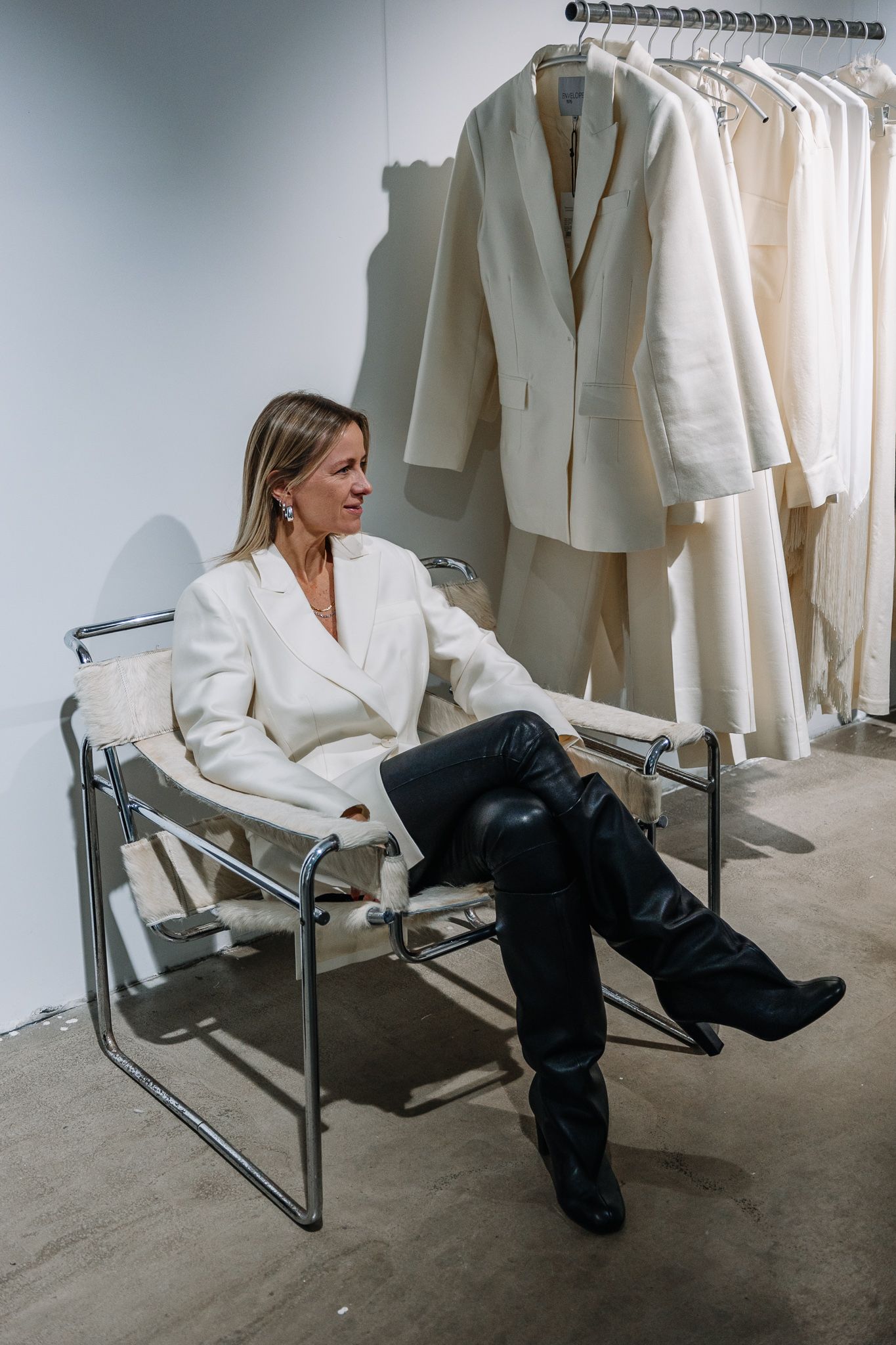
1. What inspired you to start your own business? After working as an entrepreneur with smaller concepts in a large company for 18 years and learning a lot, my own entrepreneurial bud matured – with good support from family and partner Pia – I was convinced that I should take the plunge. There was a gap in the market for clean and timeless garments.
2. Tell us about your concept and how it came about? Our focus is to create timeless, versatile garments that can be used in several ways. Envelope1976 has a focus on minimalist design with an edge and a focus on sustainability both in terms of material choice and the way the garments are made – jackets are reversible, dresses can be turned around and that way you get several garments in one.
3. What is the most positive thing about being an entrepreneur? What is the most challenging? Being able to create something that at the same time pleases others gives me inspiration – and not least mastering making a lot out of little. The path is created as you go, while you have to set ambitious goals and be able to turn around when opportunities arise. I love that and the store in Operagata is the result of that.
It is challenging to start your own business and since we started we have experienced both covid and the financial crisis. Where even the most self-evident players are struggling financially is of great importance to a small brand. I take chances, but never celebrate in advance and always provide a back up should something happen. Your gut feeling is almost always right.
4. Give advice to other women – or tell about a female entrepreneur/leader who inspires you.
There is no formula for success, but my best advice is to take chances while keeping ice in your stomach. I am guided by life experience, energy and gut feeling, but it is also important to set goals for which direction to take and gain perspective on what is needed to be able to grow. I have learned that you can achieve a lot with little, if you think creatively and don't always see limitations.
There are many inspiring women out there, within various industries, who inspire us as a brand and the undersigned. I am proud of all the great women I have in the team, and my co-founder Pia Nordskaug.
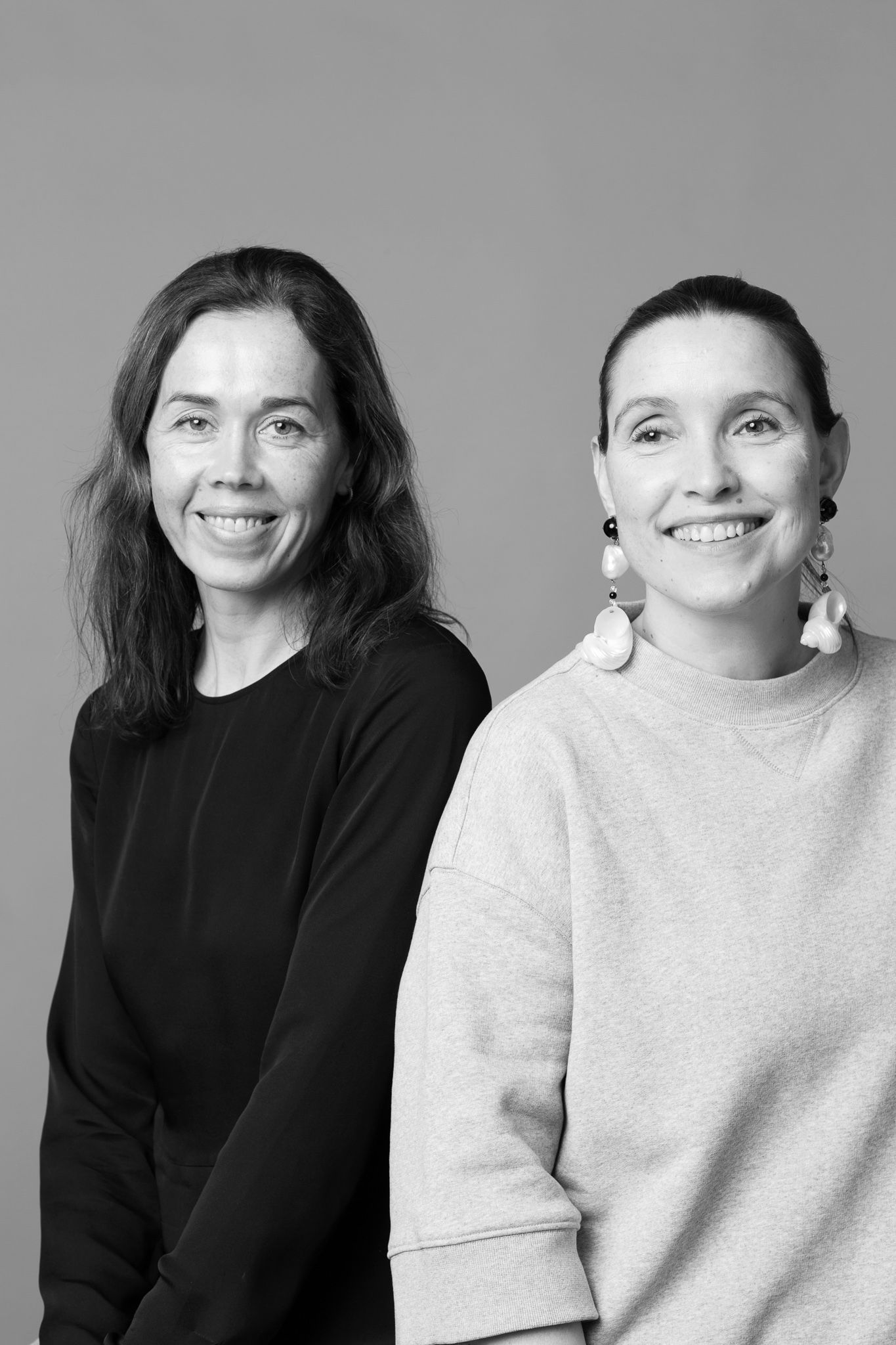
1. What inspired you to start your own business? There was both passion for the products and brands and inspiration from shop concepts abroad as well as a strong desire to start and develop my own business.
2. Tell us about your concept and how it came about? Heaven Scent is a concept perfumery and this means that we carry a carefully selected range of quality brands that you cannot find in many places (several of our brands are only available here in Norway). We have, among other things, perfume, interior fragrance, skin/body/hair care, make-up.
After many years of working and studying abroad, our first store opened its doors in the spring of 2008 after a longer period of planning and preparation. The brands we launched were largely unknown in Norway at the time, and many were probably skeptical that we would make it happen, but we had strong faith in our concept. We have always chosen to own the company entirely ourselves, without investors, so that we could decide on and have control over operations and concept. In order to achieve that, we have had to build stone by stone and prioritize hard. We have a knowledge-based approach to the concept and are proud of the expertise the company has built up.
3. What is the most positive thing about being an entrepreneur? What is the most challenging? As an entrepreneur, you have a great vested interest in working, but it can also be a challenge because you can always work more. So here it is important to find a balance so that it becomes viable over time. It is incredibly fun to work with something you have a passionate relationship with and to be allowed to shape your own workplace, at the same time there is a lot of responsibility and a lot of hard and unglamorous work. There are many choices that must be made and long-term plans and strategies must be made, while at the same time one must have the flexibility to constantly adapt to the actual conditions, and there it can be an advantage to be a small company with a flat structure.
4. Give advice to other women – or tell about a female entrepreneur/leader who inspires you. If you believe in a project, do it. The worst thing that can happen is that it doesn't work and you've certainly learned a lot. But be aware that it requires a lot of hard work and many hours that you will most likely never get paid for. Be realistic and take care to make sure you don't invest more than you can afford to lose. You must be able to live with the responsibility you assume.
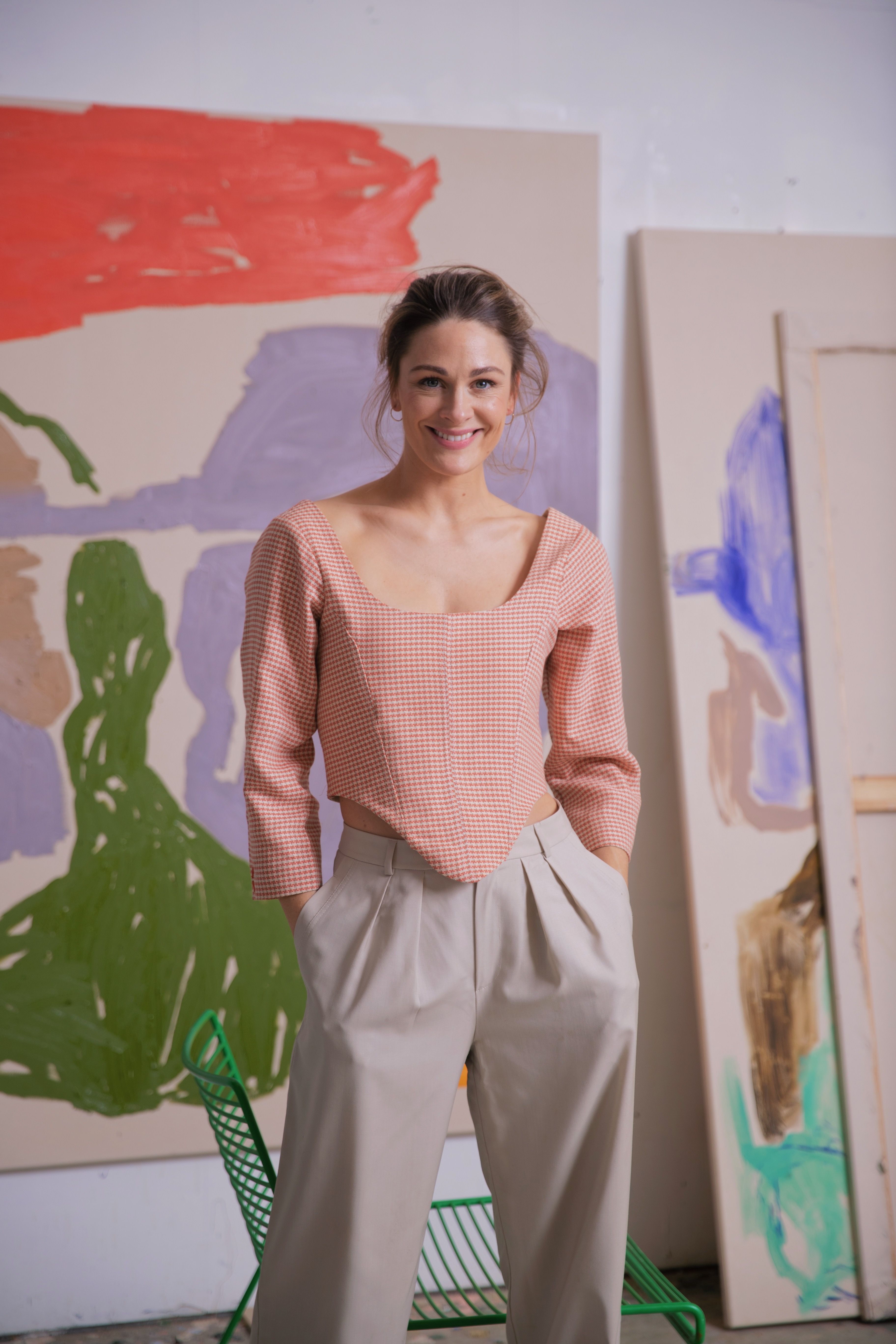
1. What inspired you to start your own business? Being able to make a living from what I'm passionate about. Invest in your own future by building a company with basic values that I stand for. It's wildly tiring and fun at the same time. I love having the freedom to not do things I can't vouch for.
2. Tell us about your concept and how it came about? I have helped start Tise, which is an app for buying and selling used clothes, and Fæbrik, which is a green fashion house with a focus on sewing patterns and quilted textiles.
3. What is the most positive thing about being an entrepreneur? What is the most challenging? I love building a company! Step by step find out what we want to be and how we will reach our goals. The most challenging thing is that it is so all-consuming and there is great risk and a lot of responsibility. You can't turn the job off.
4. Give advice to other women – or tell about a female entrepreneur/leader who inspires you. The most important thing is the people you involve in the journey. That they share basic values but have completely different skills than you!
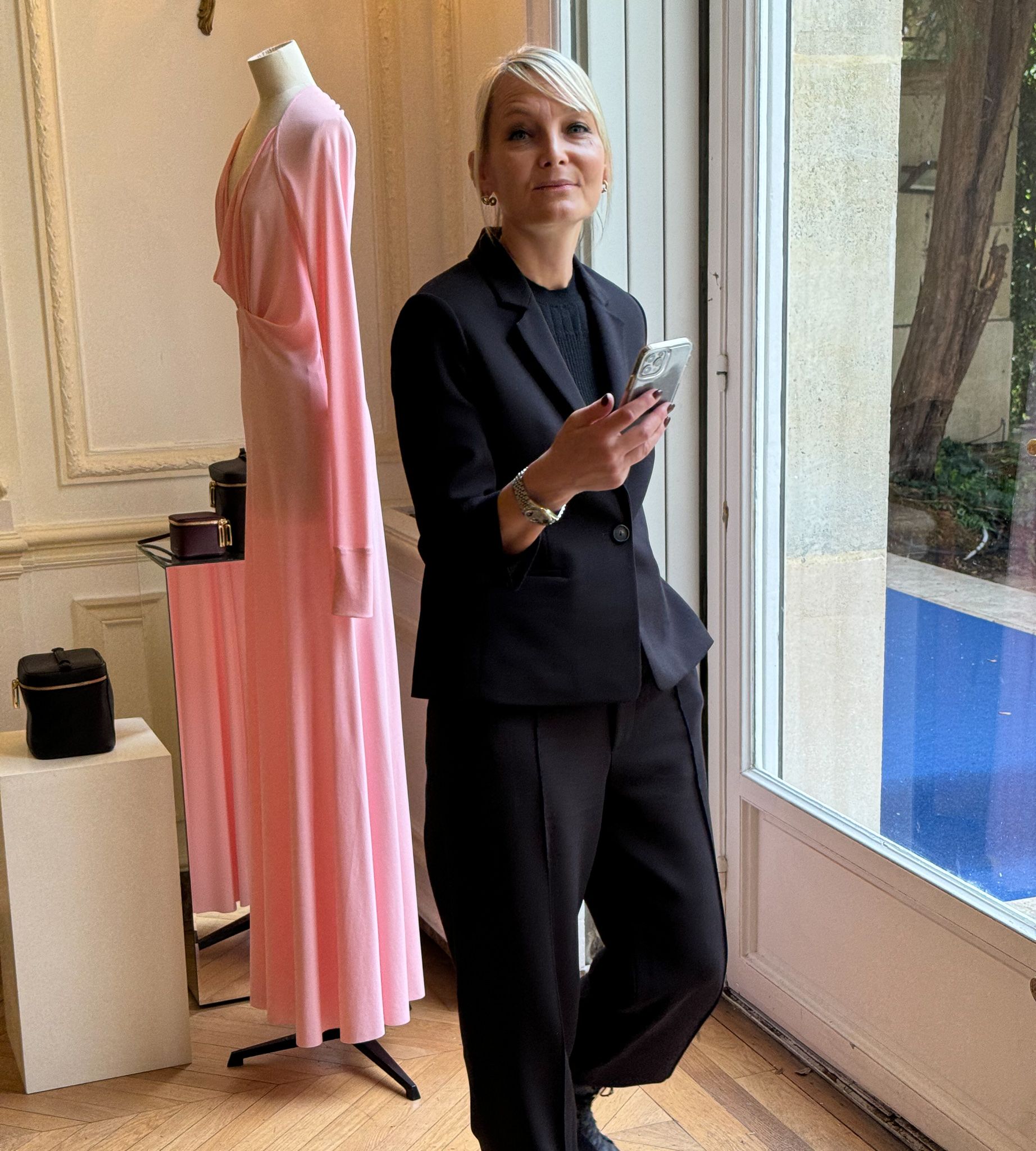
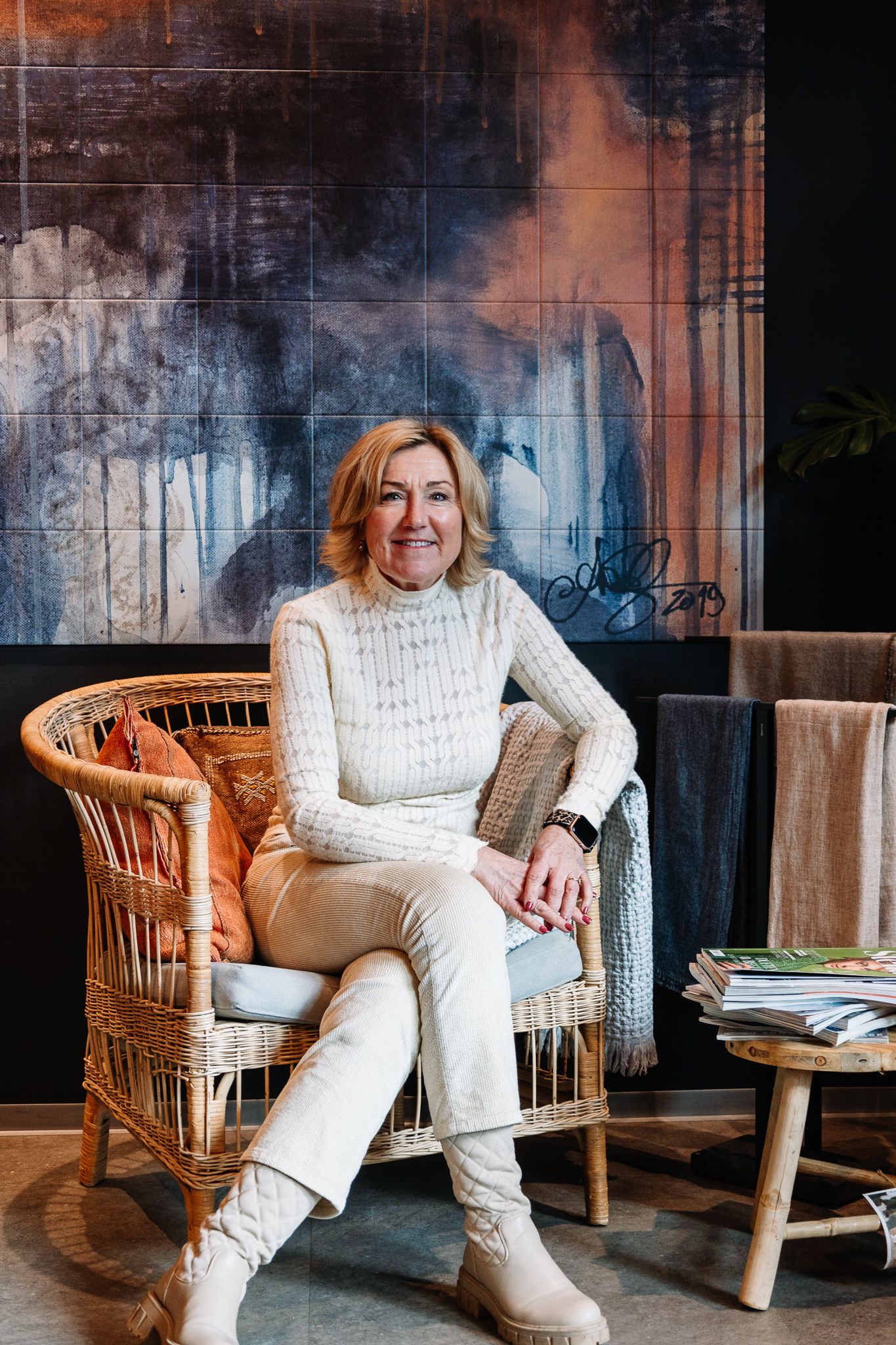
1. What inspired you to start your own business? It's in the blood. I am a fourth generation store animal. It's almost like a circus. Into the menagerie. On with the lights and music. Create good entertainment and magical moments.
I have always had an urge to work, although I have had no desire to "stick my head out." I have taken responsibility and been given more responsibility. Has been Russian president, revue director, been in the school newspaper and in voluntary social work. I've had a drive, and then one thing led to another. I've been a boss since I was in the sandbox, a leader type, and someone that others lean on, never afraid of responsibility or that I wasn't "good enough."
But I'm a "group work girl." I think it's incredibly fun to achieve something together with others. I have been lucky, – or skilled – and have with me a team of wonderful, enterprising, energetic and loyal girls. My job now is "map and compass", and playing other good ones.
2. Tell us about your concept and how it came about? The concept as it appears today is the result of 30 years of speed in the textile industry. I was born in the Ivory Coast, lived in the USA and Saudi Arabia, learned to take the inside turns at Heathrow in London and ate more of my childhood Sunday dinners at Fornebu Airport than anywhere else. Raised with a father who worked internationally and I was very lucky and traveled a lot. Clothes are also language, and convey something about who we are.
With 10 years of operation and experience with the French concept Morgan de Toi and apprenticeship from Paris, OXHOLM is a natural continuation. OXHOLM carries continental and recognized high-quality brands with a focus on cuts, materials and first-class craftsmanship. Quiet luxury, and those who know, know. I find that OXHOLM has a higher reputation outside of Europe than at home in Norway. But more and more people now want to speak the continental language, and understand that clothes represent identity and culture elsewhere in the world. OXHOLM hits the point between usable, effortless and sophisticated, and works in parallel with both unique garments and comprehensive wardrobes with endless combination possibilities.
3. What is the most positive thing about being an entrepreneur? What is the most challenging? I started in a flower shop at 13, bought a hot dog stand at 21, had a child at 23 and took over a 7/11 franchise in the same week. New child 13 months later and chose to become a single parent on the same day. New shop at 24 and worked in Covercharge at Barock at night when the children were asleep. Met my great love "at the door" and had even more children.
The most positive thing about being a founder has been the opportunity to shape my own life, the necessary flexibility at times, great colleagues, constant new challenges, varied tasks, setting goals and achieving them, lifting others, countless nice meetings with people, laughter and tears . Dry where others give way. Rolling up the sleeves, time and time again. Experience more security. And that you don't die from making mistakes. You learn from it and become a better person.
Create jobs, communities and be a hobby for many young people on their way out in life. There are no challenges, only opportunities. Nothing is impossible. I have a mentally disabled daughter with autism. It puts the concept of challenge into perspective. It's all about setting.
4. Give advice to other women – or tell about a female entrepreneur/leader who inspires you. Choose the right life partner. It means more than you think. The question is not whether you stumble, but how you get back up. Discipline. Stamina. More discipline.
I am constantly inspired and am very motivated by both positive, skilled, hard-working employees, – and ditto fellow sisters; In Oslobkta there are many, and wonderfully inspiring girls like Kari at Brasserie Rivoli, Alise at Bjørvika Undertøy, Celine at Envelope and Pernille at Lillelam. Forward-thinking, who with strong faith and will throw themselves into entrepreneurial life and create value for society. That is impressive!
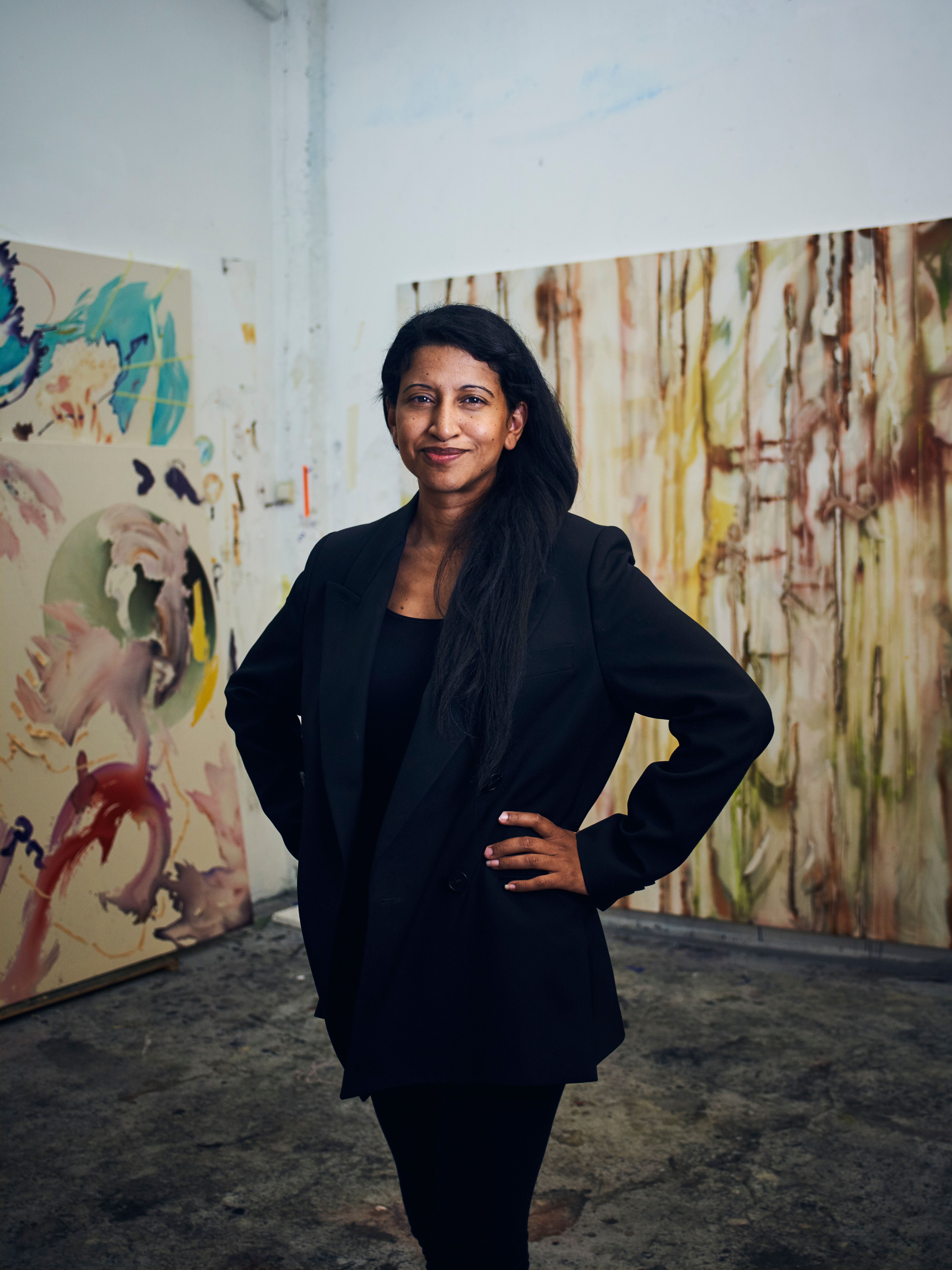
1. What inspired you to start your own business? The time I worked in art galleries around Europe. I was lucky enough to be an assistant for a small, newly established gallery in Rotterdam doing exciting things, and later work closely with the founder of a growing gallery in Brussels called dépendance. Both of these experiences were in the early years of these galleries, so I got to see things up close, in the developmental years, when it might just be me and the owner. In both cases, the owners of these galleries were true connoisseurs, passionate and visionary about their programs. They took real chances on experimental positions, and focused on creating meaningful experiences for both the audience and the artists who show there. It emphasized all the right things from my point of view. These were brave and risked taking up space in brick and mortar, and were as much about authentic experiences as art.
I don't think I would have tried to open my own gallery if I had worked for galleries that were bigger, more commercial or blue chip. Shadowing small business owners who truly believed in what they were doing and who did things differently gave me the feeling that anything was possible, which was crucial to having the courage to model things later for myself.
In the beginning I was also very inspired by the time I worked in the music industry in New York, where I worked in artist management directly for a band signed to RCA records. Taking something from small to big – a team of four supporting a band that toured the world taught me a lot. Then of course there was also the artist run scene here in Oslo, which fascinated me with how active, inviting and experimental it was, enough to move here and get started.
2. Tell us about your concept and how it came about? The gallery has an ambitious international focus. We present young and emerging international artists, some of whom are now approaching mid-career positions, and we also represent the work of exciting Norwegian artists whose practice we introduce both here and abroad. Ultimately, the gallery is a place of production and a place of discovery – come in and have a chat, learn about the art.
At the start of all this I enjoyed building exhibitions and I wanted to open a gallery to represent some of the artists I knew. The possibility of long-term exchanges seemed exciting, as did the possibility of retaining the high energy of some of the best project spaces I knew. And therefore productions of new works and new exhibitions are very important to us. We don't just import existing work into our space: we help refine concepts, support new productions and present exhibitions that many commercial galleries would never take a chance on.
3. What is the most positive thing about being an entrepreneur? What is the most challenging? The most positive thing about being an entrepreneur, for me, is the ability to structure time and projects with relative freedom, to work creatively without limitations, and to be able to work with friends. The most challenging thing is being able to quickly build a team large enough to support the work.
4. Give advice to other women – or tell about a female entrepreneur/leader who inspires you. My advice to other women would be to support each other. Encourage each other, be curious and open to learning from each other's journeys, and when needed, reach out and ask for help. When you want to go fast, go alone right? When you want to go far, go together.
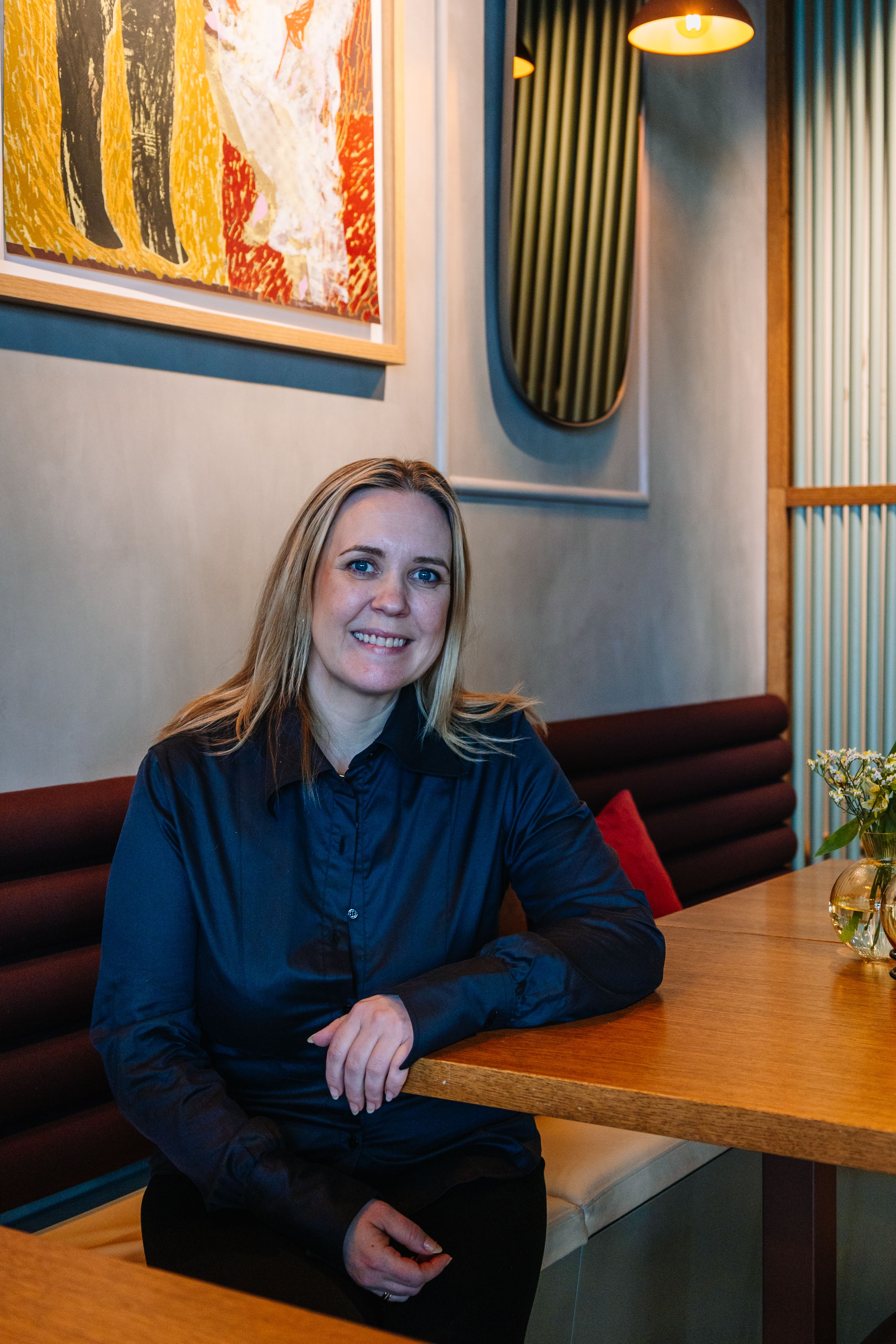
1. What inspired you to start your own business? I am creative and have a great desire to create, I opened my first business at the age of 26 and newly crowned Olympic champion with the national team of chefs.
2. Tell us about your concept and how it came about? The concept for Brasserie Rivoli I had not done before and was new to me, I wanted to create a restaurant that stands the test of time, a stable and good business, a safe workplace and a place you want to come back to again and again.
The concept of a cocktail and wine bar at Poppy is a result of the fact that I like to bet on good people. We had a collaboration at Rivoli where they developed a cocktail menu for us and after a year of collaboration they asked if we could open a bar together. I am co-owner and mentor for Thomas & Xuseen who run and own Poppy. I wanted to be that mentor for them, which I didn't have when I first opened my own. It feels very good to be able to contribute to the realization of a dream for Thomas and Hussein, as well as create a new concept for Oslo Bay and those who live here or who visit the area.
3. What is the most positive thing about being an entrepreneur? What is the most challenging? The most positive thing is that no two days are the same, it is incredibly varied and rewarding. Creating jobs is very, very nice! What can be challenging is that there are not enough hours in the day and at times a lot of work and work pressure.
4. Give advice to other women – or tell about a female entrepreneur/leader who inspires you. There are many people who inspire me and various industries, both men and women. Dare to bet, dare to bet! Dare to ask for help, seek out a mentor who can teach you.
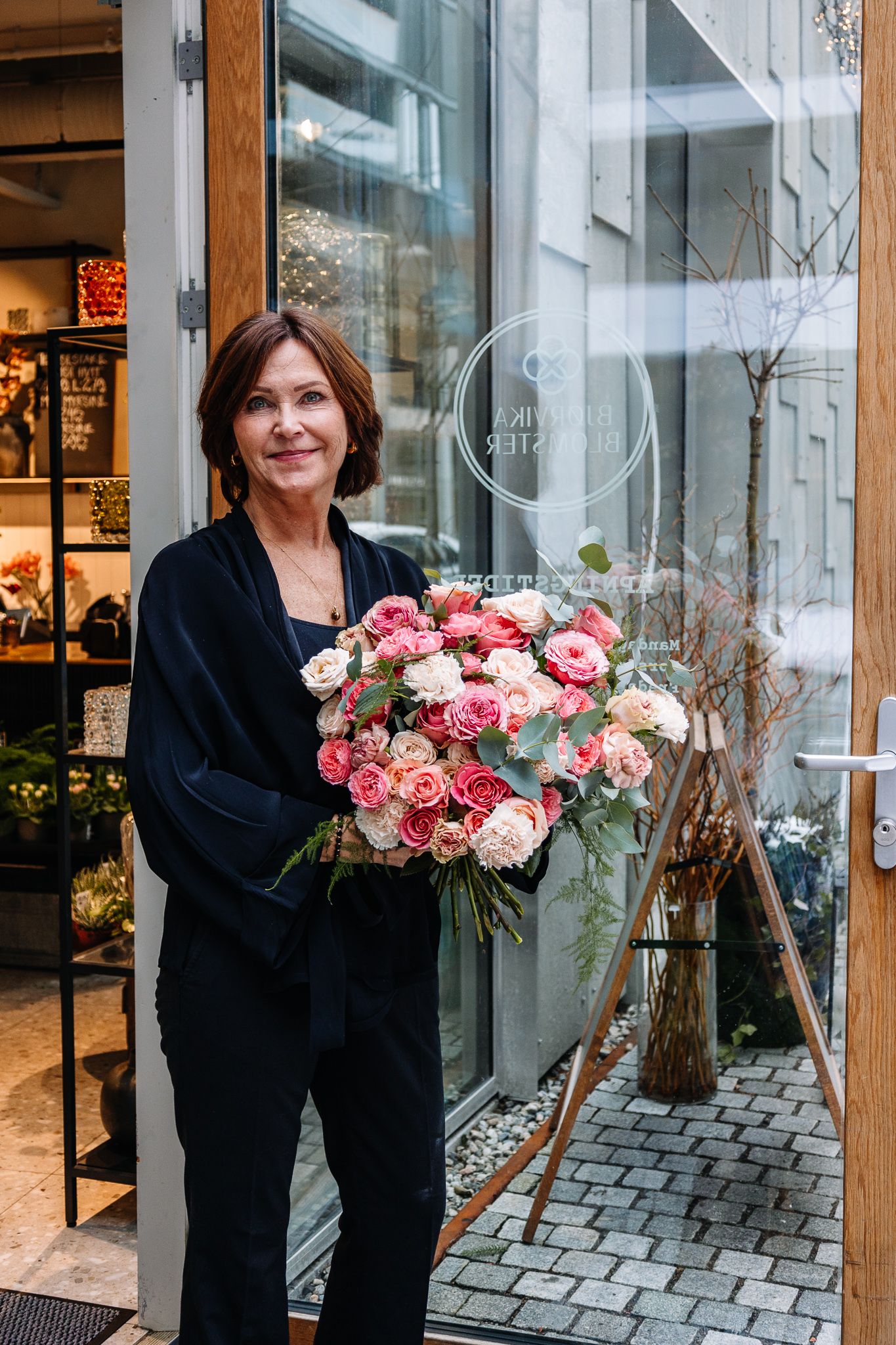
1. What inspired you to start your own business? When I think back, I have probably always had a dream to build up and run my own business where service, aesthetics and a good atmosphere are central. It just took a very long time for it to fit into my life and for me to realize what it should be and that it was possible. So the most important and biggest inspiration, I would say, has been my own driving force to fully implement my idea.
2. Tell us about your concept and how it came about? I started Bjørvika Blomster with the aim of distinguishing ourselves from the chain stores, with a varied and carefully selected range of flowers, plants, pots, vases and other interior design. A neighborhood store for the whole of Oslo, where quality, customer service and atmosphere are absolutely essential to the concept. I want everyone to feel welcome to shop with us, whether you want a couple of beautiful flowers for the small vase on the kitchen counter or large beautiful gift bouquets and wedding flowers.
The concept is something as simple as my own "dream shop", and I have had great faith that others appreciate it as much as I do.
3. What is the most positive thing about being an entrepreneur? What is the most challenging? It is a wonderful feeling to realize your own concept and to see that it works and is appreciated. As an entrepreneur you get to use many sides of yourself, you learn new things and create new relationships every day. I really appreciate my fine employees, who have a large part of the credit for the concept being so successful.
The most challenging thing about being an entrepreneur is that there is not enough time, and you "are at work" at all hours of the day. I have realized that I need to work on it a bit more.
4. Give advice to other women – or tell about a female entrepreneur/leader who inspires you. I'm rooting for all female entrepreneurs. We ladies often have lots of good qualities that are important when starting up and running a business. It is important to familiarize yourself in advance with all the tasks involved in starting an entrepreneurial business, especially if you want to build something bigger than a sole proprietorship. Even if you focus on employing others in positions you do not master yourself, it is wise to think thoroughly about the following:
1. Do I have a strong enough drive, desire, knowledge and resources to start up an entire business, with all the tasks, time spent, and financial and commercial uncertainty that entails? And maybe a little market research – is there a need out there for what you want to offer?
2. Or am I mostly thinking about starting my own business to be able to work fully on what I love (i.e. the core product)? There are many opportunities to start for yourself on a small scale, perhaps even in parallel with another job.
If you answer yes to no. 1 or 2 – GO FOR IT! It will certainly be an exciting and hopefully successful journey.
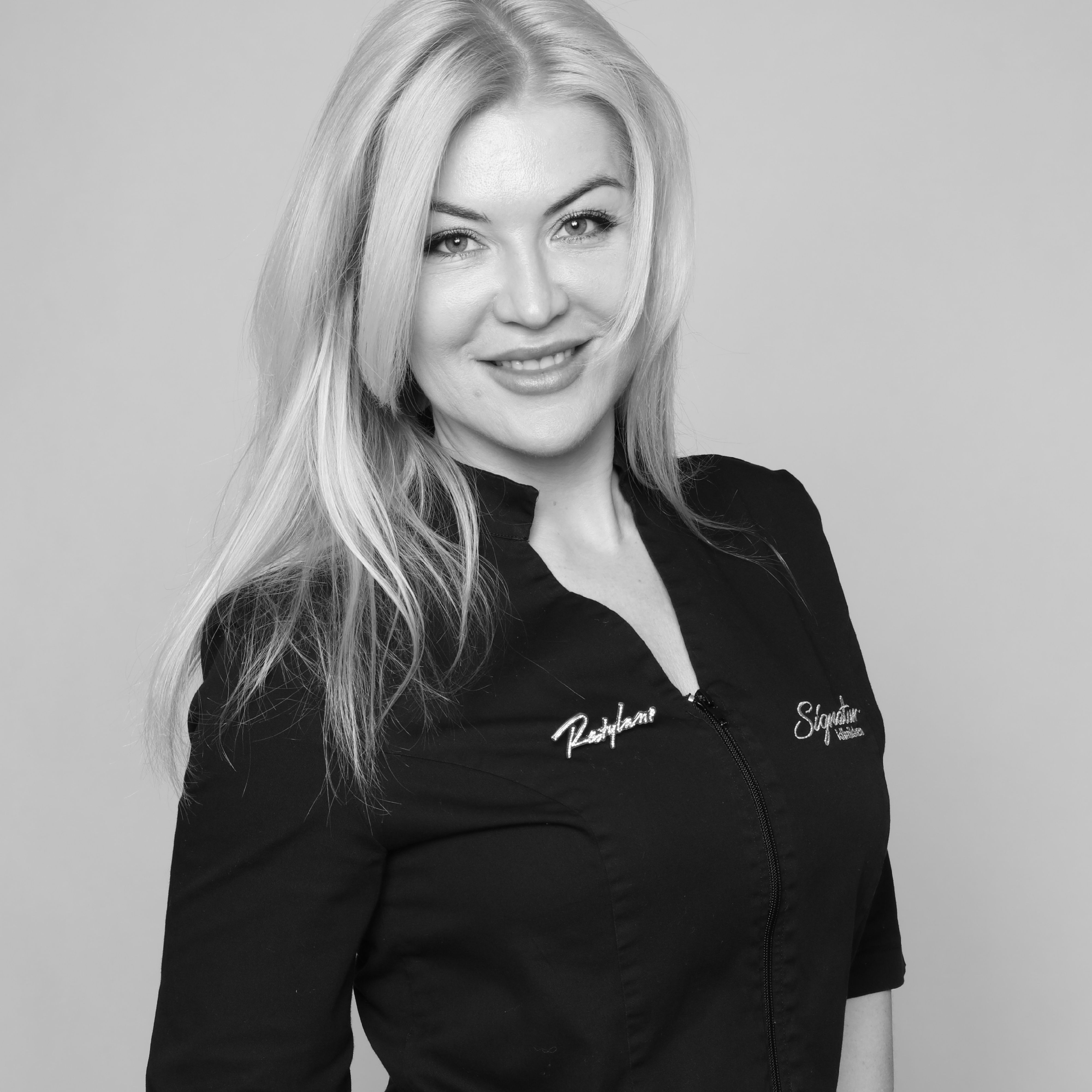
1. What inspired you to start your own business? My inspiration to start my own business actually comes from previous workplaces with poor culture and managers. Work is a large part of everyday life for most of us, and I wanted to create a workplace where the good feeling is reflected in both employees and customers. I wanted to go to work every day and feel comfortable with all colleagues, managers and be proud of the workplace.
This then became the breeding ground. Creating this workplace was easier than finding it.
2. Tell us about your concept and how it came about? I had worked for many years in the beauty industry in Norway, and it was therefore natural for me to use this expertise. In the beauty industry, there are many who sell the "emperor's new clothes", that is to say, there are many players who promise gold and green forests without having a hint of documentation to support their sales arguments. We work with skin challenges such as acne, wrinkles, pores, sun damage, wrinkles, rosacea/redness, burst blood vessels, signs of aging, excessive sweating, hair removal, etc. Some of these challenges may certainly seem a bit "superficial" to some outsiders, but for the individual customer, this can be all-consuming both physically and mentally. Then it is extra rewarding to be able to offer help and advice that actually works.
Signaturklinikken's most important core values are quality, security and honesty. This set of values reflects everything we do and stand for, and is not just a platitude on fine paper. The feedback from our customers, and also one of the explanations for our growth, probably lies precisely here. We do not promise more than we can keep, and are very keen to give our customers honest expectations. In other words, we are not the clinic that is first out with the latest, as requirements for quality and safety have the highest priority. We require documentation and continuously test new treatments internally, before we choose to offer them to our customers. Very much therefore does not get through the eye of the needle with us. Teamwork is also an important core value for us, which has been cultivated since its inception in 2015. At Signaturklinikken, we work holistically as a team and not as individuals. Having said that, we are constantly working to develop each employee on individual development opportunities and skills. Today, we have many experienced aesthetic therapists, and several are also instructors for various suppliers. I am proud and humbled that so many employees have been with us almost since the beginning, and hope it is a testimony that together we have created a workplace where we find the feeling of well-being. Today, the Signaturklinikken has almost 30 employees, and you can find us in Lillestrøm, in the middle of Strømmen Storsenter, in Oslobukta and at Bekkestua.
3. What is the most positive thing about being an entrepreneur? What is the most challenging? The employees are the most positive thing. You become proud of what you have created and seeing colleagues grow and develop along the way. I am also lucky enough to have loyal and skilled employees over several years, where together we have developed, grown and experienced ups and downs, both privately and at work.
Lack of time is probably the most challenging. You should always wish that you managed to do more than what you are capable of, but over time I have learned to prioritize, delegate and, not least, recognize that this is what I managed. We are also still a small organization with a flat structure. I personally have many "hats" and roles to fill at the same time. Everything from boss, girlfriend, receptionist, marketing manager, janitor, finance manager, purchasing manager, laundry assistant etc. Roles that require different approaches and skills, as well as a continuous awareness of which "hat" to wear.
Economic uncertainty. There have been and still are demanding times, with increased costs on everything from rent, purchases, loans and wages, as well as the tax office, which is supposed to meet once a quarter.
4. Give advice to other women – or tell about a female entrepreneur/leader who inspires you. My top 5 tips: 1. Completion ability. Without this quality, you are hopelessly lost 2. Be prepared that the first few years of being an entrepreneur will not be a cakewalk. There will be many private renunciations. 3. Agree your business idea both in terms of time, finances, necessary skills, competitors and earning potential. 4. Find the right people. Have some loyal and good conversational partners around you, with whom you can play ball. 5. Create a budget and know that you have a buffer to draw from. Things always cost more than you think, and also take longer than you think.
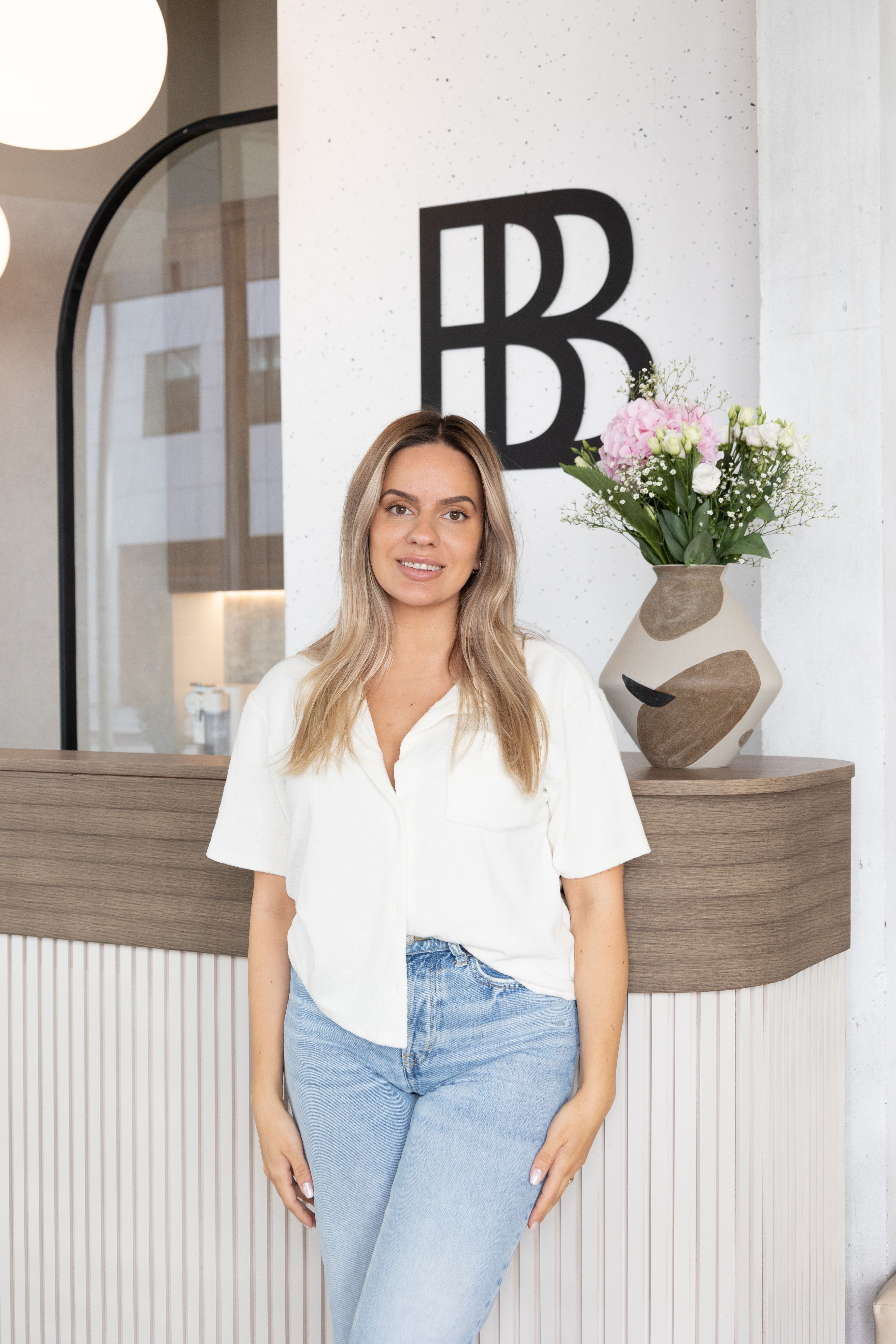
1. What inspired you to start your own business? My biggest inspiration has been my son. I was on maternity leave when the idea for ByBela came about. Always had a dream to run my own salon, but the fear of really investing was too great. So the dream faded a bit as the years went by. But when I got to experience being pregnant and feel life in my belly – I got an insanely strong feeling that we can do anything, if we want to! The human body is so amazing, especially the female body that is capable of making a child.
I worked as a nail technician in a renowned salon in Oslo for almost 8 years. The thought of going back and doing the exact same thing I had been doing for 8 years felt completely wrong. I quickly realized that I had a great need to grow and get out of my comfort zone. Had become a mother after all – and that does something to you!
2. Tell us about your concept and how it came about? There are so many salons in Oslo that perform everything from skin, lashes, brows, nails, etc. Experience that many want to reach out to everyone by offering as many treatments as possible. That's why I wanted to create ByBela, which only specializes in two things; manicure and pedicure. We want to have customers who love nails as much as we do! That's why we have a huge selection of colors while keeping up to date with the latest trends!
3. What is the most positive thing about being an entrepreneur? What is the most challenging? The positive thing is that you yourself decide how you want your company to be. In my case, it applies to everything from the products I want to bring in, how the interior should be, how the treatments should be carried out, etc. Having an idea and executing it is a lot of fun without having to deal with others.
As I opened the salon at the same time as having an 8-month-old baby, I would say that it was the most challenging for me. Running your own company is not as glamorous as many people think. It requires an incredible amount of you and your time. And this quickly affects your loved ones. So for me it has been the toughest thing, juggling between being a career woman and a good mother at the same time.
4. Give advice to other women – or tell about a female entrepreneur/leader who inspires you. My advice to other women would be that you don't have to decide whether to choose a career or step down at work in order to be a good mother. You can be both – as long as you believe in yourself and are present with your child when you first get home.
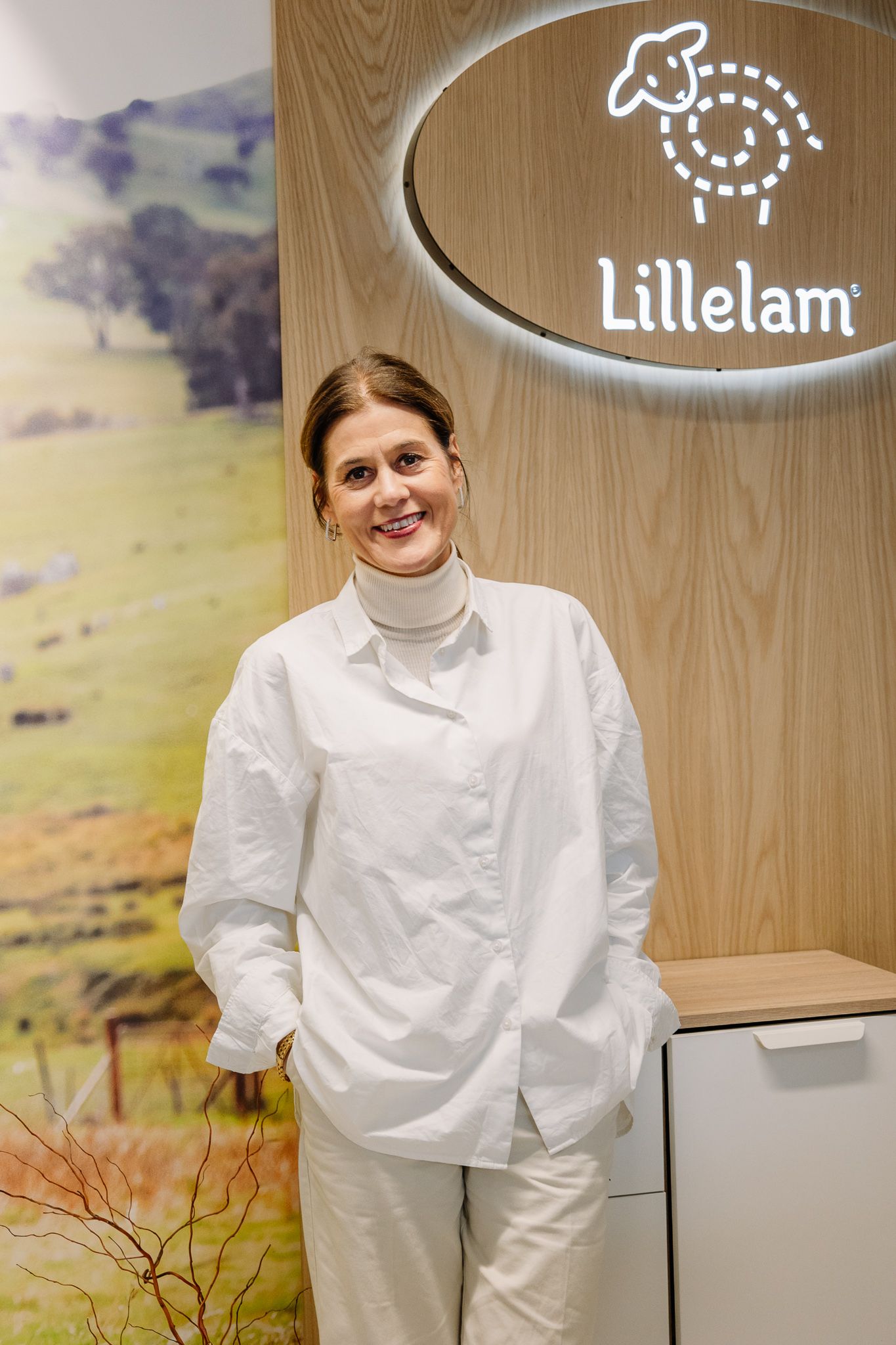
1. What inspired you to start your own business? 20 years ago, when I had children and had to find clothes for them, I discovered how bad children's clothes we had on the market in Norway. Most of it was synthetic fibres, sheep's wool that itched and had to be hand washed, a lot of oil-based fibers for fleece, poor fit, and no information whatsoever about how the garments were made or under what conditions with regard to child labor and ethical conditions.
I was working in the art world at the time, so the idea at first was to scout for an agency for a brand that had good, sustainable and ethical values, but it didn't exist then. Then the inspiration came with a friend to see if we could start something of our own.
2. Tell us about your concept and how it came about? I became passionately interested in looking at whether it was possible to create garments and a brand that was based on sustainable values throughout (ie everything from fiber selection, production treatments, short-haul production, non-trendy, high-quality utility garments that could be worn for a long time and be inherited, etc.) and under good, ethical production conditions. The idea just grew stronger and stronger until I had a clear vision of how the brand should be. But, at the time I was working with art full-time and the textile world was completely unknown to me, so I had to go all-in and learn everything there was about production from A to Z. I became a geek in all areas which made me not only being able to develop the brand with exactly the concept I wanted, but also contribute to the development and innovation in the industry that was needed so that the processes could fit through the narrow needle's eye I had for sustainability and ethics.
The concept then that is now reflected in our vision: To create quality clothes with love and care for our children and for our planet. We only use merino wool in all our products, and this is a natural and renewable raw material that comes from sheep that graze and does not occupy food-cultivable land or need either toxic fertilization or treatments in the production process. The pure wool we use can be composted into nutrient-rich soil, free of microplastics, and is both silky soft and durable so that the garments can be passed down again and again. Our value chain is as clean as you can get, with strictly regulated processes, so our products go from 8 years all the way down to 2-month-old premature babies who may have worn the garment right on the delicate baby skin.
I designed a collection in 2004 with what I, as a new mother, thought the children needed, including the child's movement pattern and growing space as important design factors, and in a fabric that breathes and is comfortable. It was very important to me that it was of high quality in all areas from the raw material, the design, to the finished product. To this day, it is the same collection that we sell to all the new children who come into the world and naturally have exactly the same needs. So, the sustainability idea behind the brand has stood up well for 20 years.
3. What is the most positive thing about being an entrepreneur? What is the most challenging? The most positive thing is clearly all the new things you learn, all the time, all the new areas and exciting people I have come across through this work. So I think it has been so exciting to be able to think outside the box all the way, since I don't have a textile background myself, I have developed my own and new solutions without being affected by the "traditional/established" solutions, i.e. getting to use my own creative power . There is much that is challenging, the days are spent finding solutions when you tread your own and new path in all areas, so it can be tiring and the working days/weekends are long enough to constantly anticipate and secure the work.
4. Give advice to other women – or tell about a female entrepreneur/leader who inspires you. To other female entrepreneurs, I can use what my youngest daughter, when she was 3, said to her older sister of 4, which is so true in its simplicity: If you want it, you can make it happen. I can give 1,000 pieces of advice, but it is this with the will that governs it all, and with the conditions we have in Norway today with free education, the current support schemes for entrepreneurs, the freedom women have, etc. death once and for all) which I often see is an actual obstacle out there, the conditions are favorable for each and every one in this country in a way that no other country in the world can compare to. Use this lottery ticket!
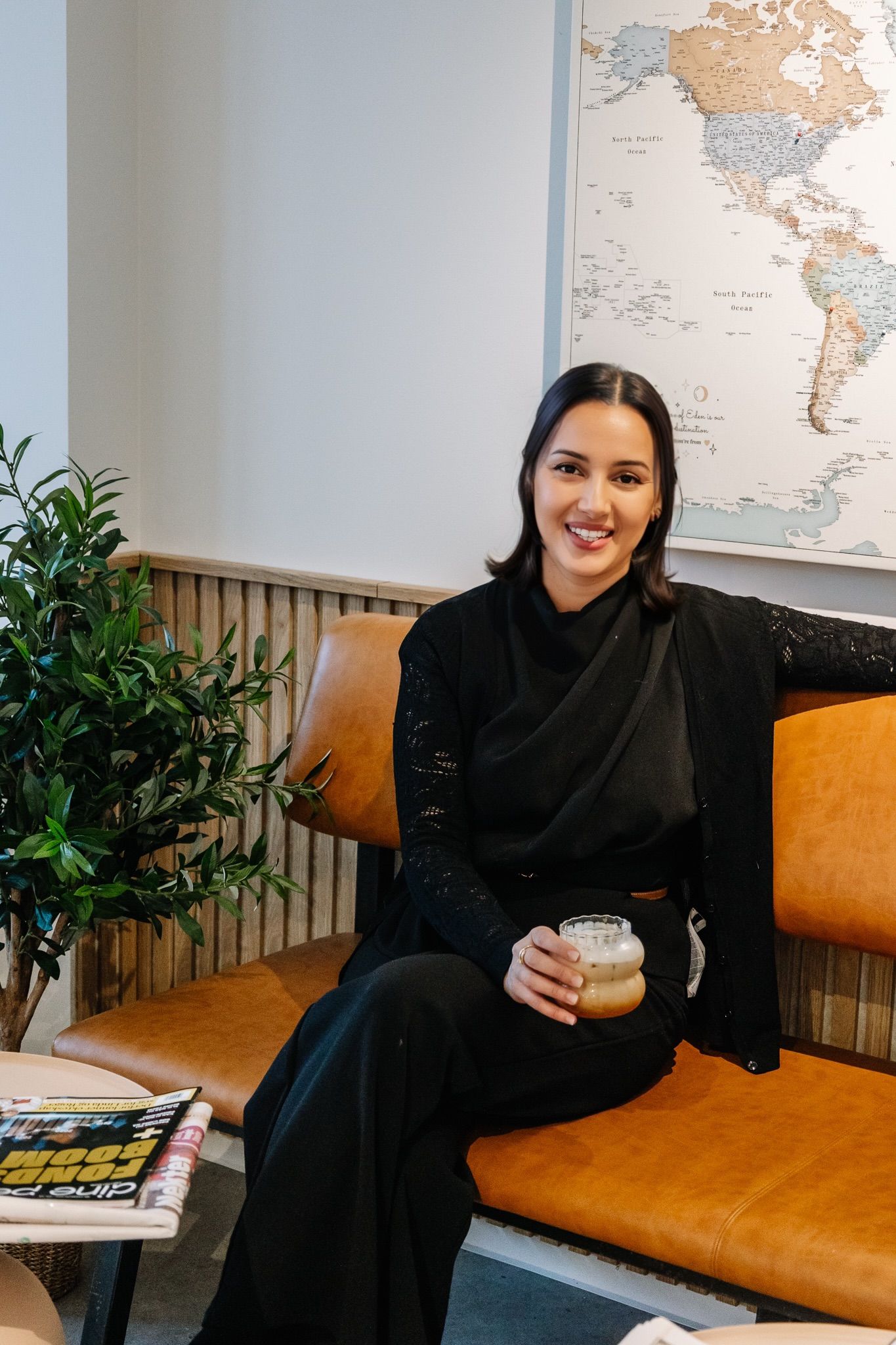
1. What inspired you to start your own business? My inspiration came from the personal loss of my little brother, an event that left me with great sadness, but also a desire to channel these feelings into a new project. This motivated me to create a place for community and reflection, which honors my brother's memory.
2. Tell us about your concept and how it came about? Although the driving force was to complete something to honor my brother, it was paradoxically the right time and place for Eden Café, because the need in the local environment to establish a neighborhood café was extremely sought after. A small stopping point for walkers, so that you can take a break at the tip here by the water and enjoy a coffee and sweet pastry without crossing a bridge, not least enjoying Oslo's most wonderful view. We work with local suppliers such as Nord Kaffe AS and Mendel in Oslo, as well as organic producers such as Lykki Bruk and Lyds Bakverk, to offer short-traveled and sustainable products. I am proud to support and promote Norwegian quality and sustainability.
3. What is the most positive thing about being an entrepreneur? What is the most challenging? Being an entrepreneur gives a unique sense of ownership and influence over how my choices affect customers and the environment. Although I have experience as an independent consultant, start-up phases with uncertainty and administrative obstacles present challenges. Every day is an opportunity for learning and growth.
4. Give advice to other women – or tell about a female entrepreneur/leader who inspires you. To other women considering starting out on their own, my advice is to find and hold on to your unique voice. Don't let challenges stop you from following your dream. Inspiring women, like my mother, remind me of the importance of believing in my own vision and guiding me through challenges. The apple does not fall far from the tree as my mother produces her own organic skin care products and has worked as a body therapist herself.
Eden Café is not just a business idea, but a personal project that reflects my values and the desire to create a significant place for the local community. I hope this insight inspires others to pursue their own dreams.
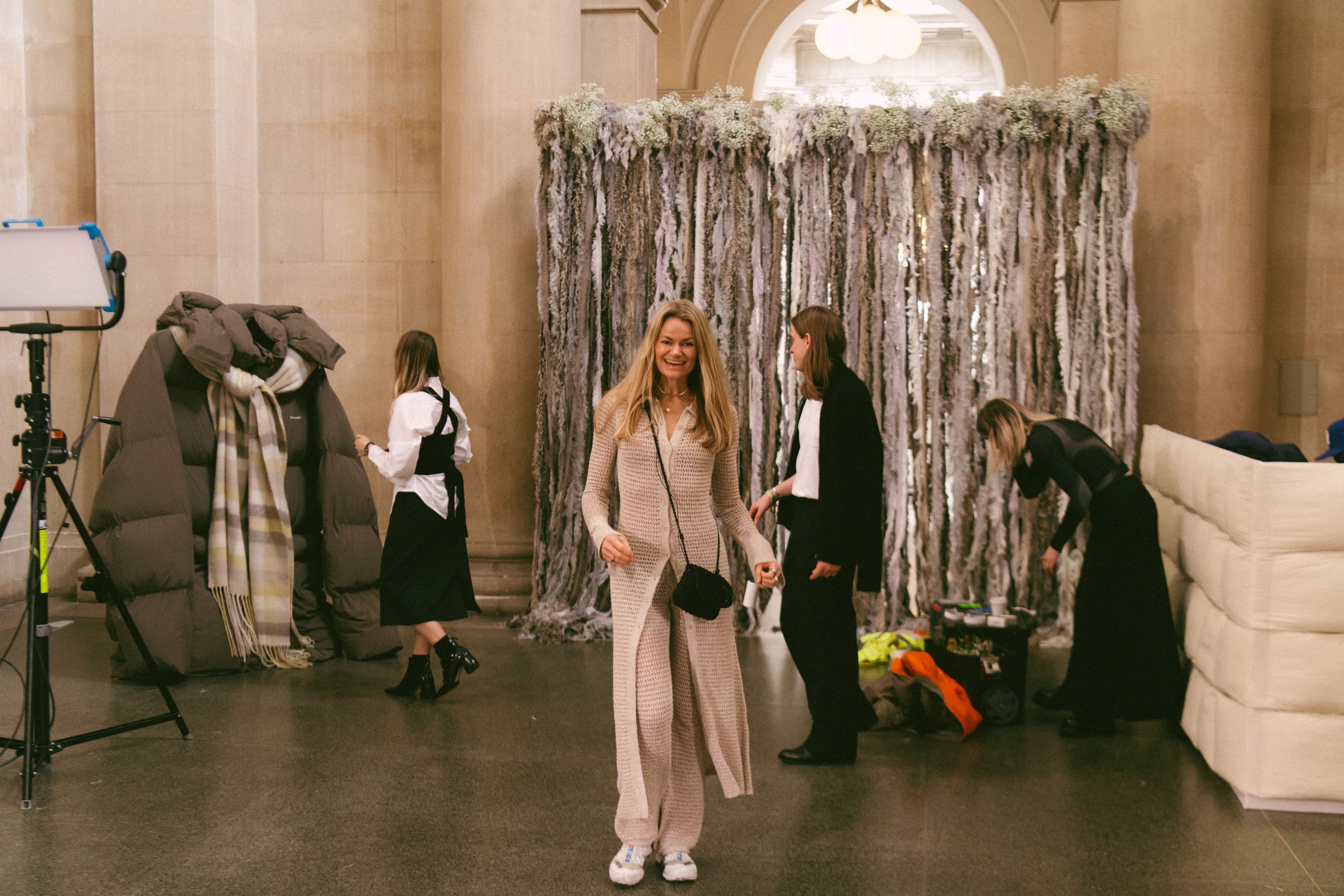
1. What inspired you to start your own business? For as long as I can remember, I have always dreamed of running my own business, so when my brother called me one winter day in 2006 and asked if I wanted to help start a clothing agency, I jumped in with both feet!
2. Tell us about your concept and how it came about? We started as a clothing agency in 2006, but after operating in the fashion industry for a few years and building other brands, the dream of starting our own brand grew more and more. Neither Andreas, my brother nor I are designers, so our first product was a scarf. We saw that our customers were selling a lot of scarves and thought that we can make them ourselves without being designers. But we love to develop and grow things so we realized quite quickly that we had to move on as we wanted to create something bigger than a scarf brand. Then we got my sister-in-law, Maria, who is a designer, on the team and launched our first clothing collection in 2014. After that, we really just built brick by brick to what Holzweiler is today. A family business with 170 employees in Norway, Denmark, UK and China.
3. What is the most positive thing about being an entrepreneur? What is the most challenging? What I love most about being an entrepreneur is being able to help create a company, set the values we stand for and my ultimate dream which is to make the world a better place. The most challenging thing right now is being a growth company in a very tough economic world climate.
4. Give advice to other women – or tell about a female entrepreneur/leader who inspires you. Listen to your intuition and dry and follow it! There is so much power in the feminine that the business world has so far experienced too little of, we women adapt too much to the masculine because we think that is what is needed to succeed, but I think we need both the masculine and the feminine and when we add both parts to a business we achieve magical results we could never create without both parts!
I have many female leadership role models, if I were to single out two it would have to be Princess Märtha Louise and Anita Krohn. Märtha Louise is truly one of the strongest women I know, she dares to stand in the feminine power and to use her voice, she really contributes to creating change in Norway at the same time as she creates business, just look at what she has created together with her women founding colleagues with brand Hést. So inspiring! And Anita Krohn, Women's Day woman with a capital K! She has achieved so much in business already, so she chooses to start her own brand, where she really does not compromise on anything, goes all in on slow fashion, at the same time she holds courses for young female leaders and continues the wonderful the knowledge she has for future female leaders. When I thought that now she can enjoy sitting on some boards, holding courses and building Krohn suits, no, she accepts yet another senior management job!
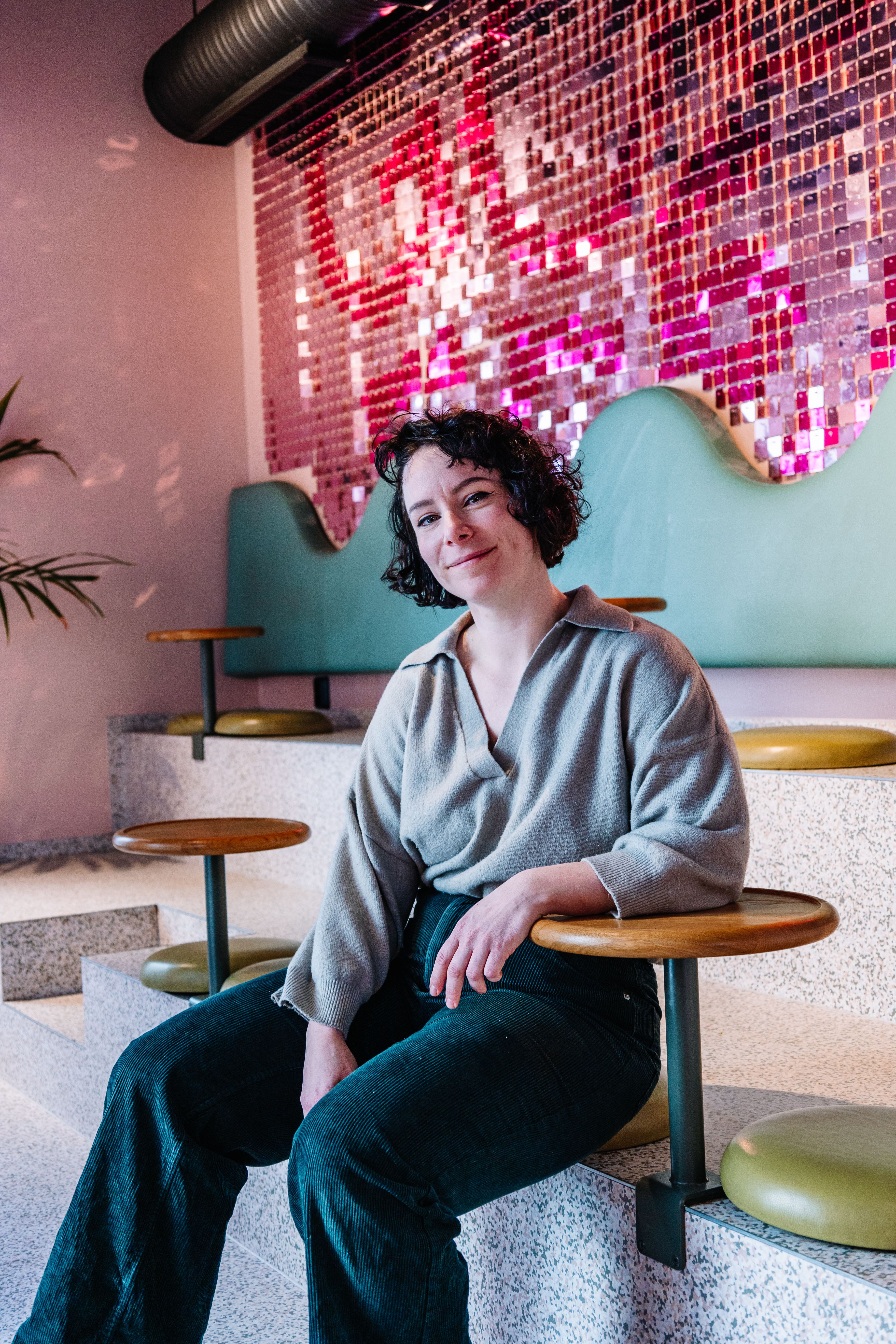
1. What inspired you to start your own business? I moved here in 2012 and worked for 3 years in my dream job. After a while I felt it was time for something new and it was so hard to know what comes next after you achieve your career dreams. In 2012, it felt like the food scene in Oslo was a bit limited, especially after living in Paris and Melbourne. So instead of being a complainer, I wanted to make Oslo more like the city I wanted to live in. So I thought about my qualifications, what I was good at, as well as what I thought was missing and just tried my best to fill a gap.
2. Tell us about your concept and how it came about? My parents both ran their own businesses in Australia, so I'm quite used to the idea of 'entrepreneurship', even if it didn't have the sexy title of the 90s.
Because I grew up in such a household, I have always dreamed of owning my own café. Even when I was little, my mother used to joke that I wanted a café and called it "Talormade".
Talormade exists because I wanted Oslo to have a special coffee place that also made and served delicious food. It is a bit of a myth that you can only have bad coffee with good food and vice versa. But I wanted to prove that it could be possible to do both. Also to create a beautiful, unique place that made people feel welcome and safe. Both the employees and the customers. I think we did it because we have some really devout fans and regulars.
3. What is the most positive thing about being an entrepreneur? What is the most challenging? The varied working days are absolutely magical. I love being able to solve different types of problems. No days are the same, so it's impossible to get bored.
The most challenging thing is being able to switch off. You can literally always be working and still never get on top of all the tasks you have and the ideas you need to develop. I'm really bad at having proper downtime and it's easy to get into burnout territory.
4. Give advice to other women – or tell about a female entrepreneur/leader who inspires you. My most important piece of advice to women, or anyone considering starting a business, is that you never want to feel ready. The only way is to just do and figure it out as you go. I waited a long time until I felt I was qualified enough to start, and while it was great to have a solid set of applicable skills, I realized that many around me had just started without that foundation and were doing just as well. You can find out so many things as you go.
Also, trust the people on your team and let go. Their talent will enrich your business and their working lives will be more meaningful because they have the ability to contribute and grow.
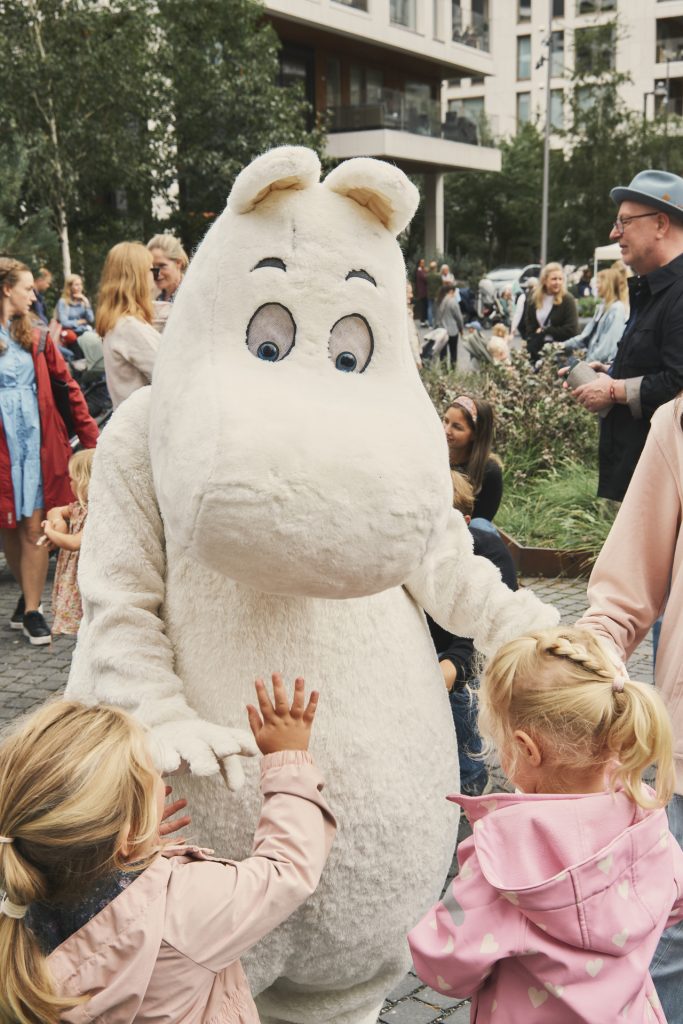
Join the Moomin family and their friends on an adventure into the magical Moominvalley during Moomin Day 2026 in Oslobukta! The event is free and open to everyone.
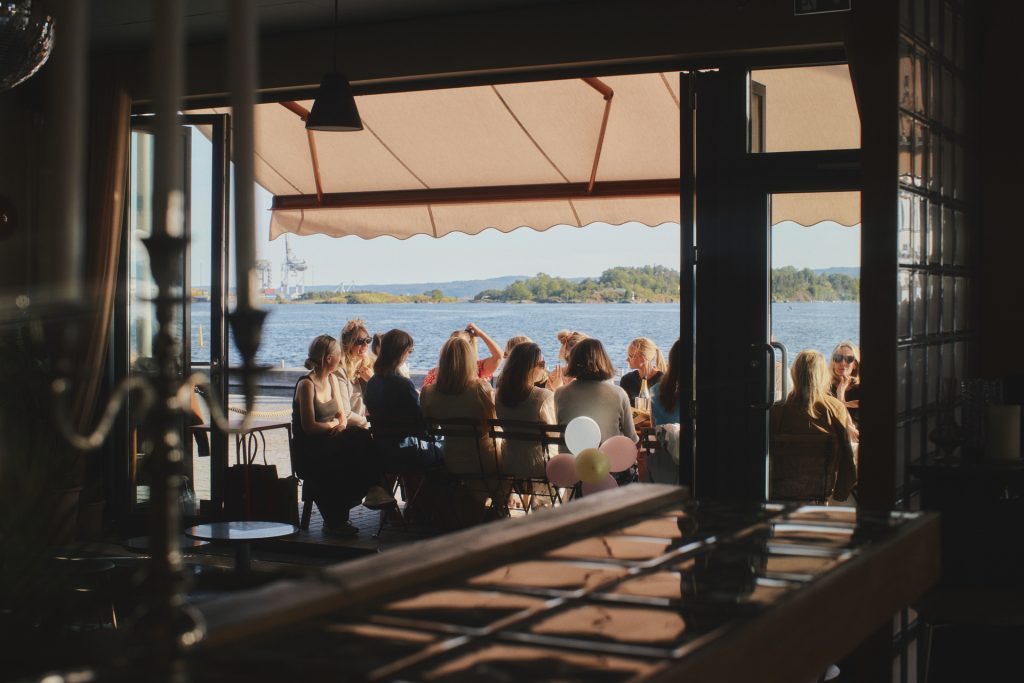
In Oslobukta, the best summer seats are outside - along the waterfront, in the sun, and in the heart of the city's most vibrant neighbourhood. With the fjord as your closest neighbour,…
Few parts of the city offer views of the fjord, the Opera House and the Munch Museum – and genuinely good food to go with it. In Oslobukta, you get both. Here's…
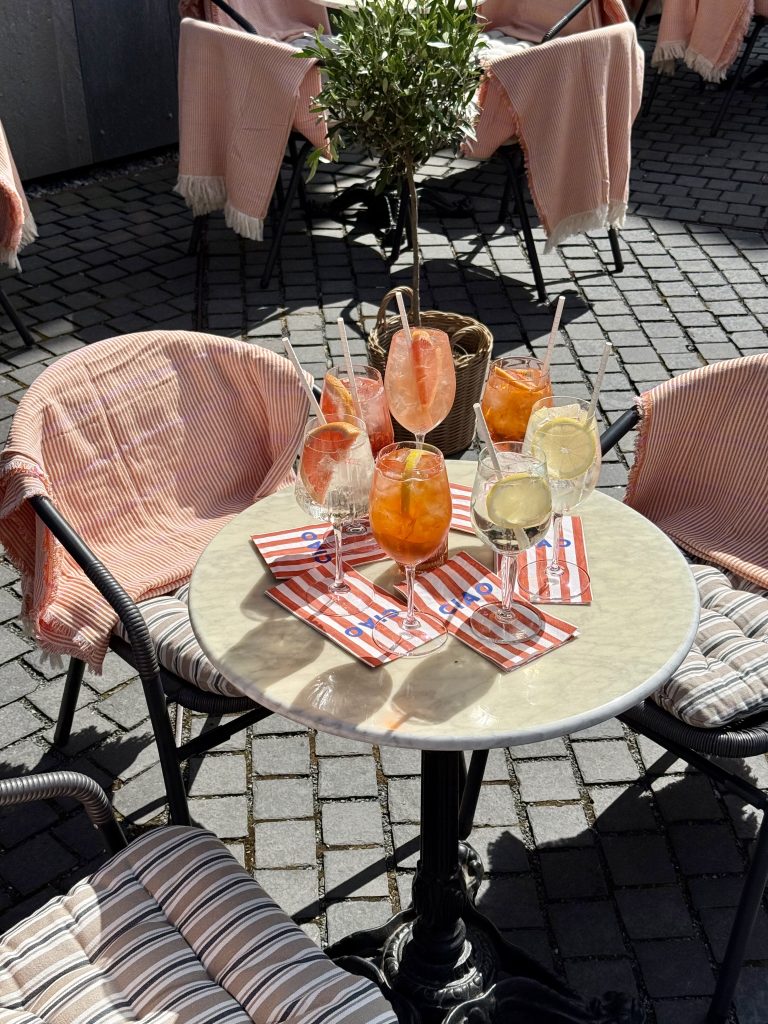
Spritz bar and focacceria summer pop-up in Oslo's own little Venice. All summer long.