
A stone's throw from the opera you will find Oslobukta. Vibrant and urban, but also relaxing and comfortable. A trendy bubble in the big city. Here the children can play, you can work up an appetite or you can take a dip from the jetty into the fjord. In Oslobukta you will find Norway's largest collection of unique concepts. In a delicious assortment for every taste, you will find restaurants, cafes, shops and galleries.
We have had a chat with the people behind four of bukta's concepts. Fashion, food and perfume are in focus. To give you a mental picture of the place, the founders behind the perfume shop Heaven Scent are tasked with describing Bukta as a fragrance. They don't have to think long before they pick up a Norwegian perfume inspired by a summer memory from Hovedøya. And with the scent of salty sea and rhubarb in the top notes, we close our eyes and dream away to a cool late summer day on the pier.
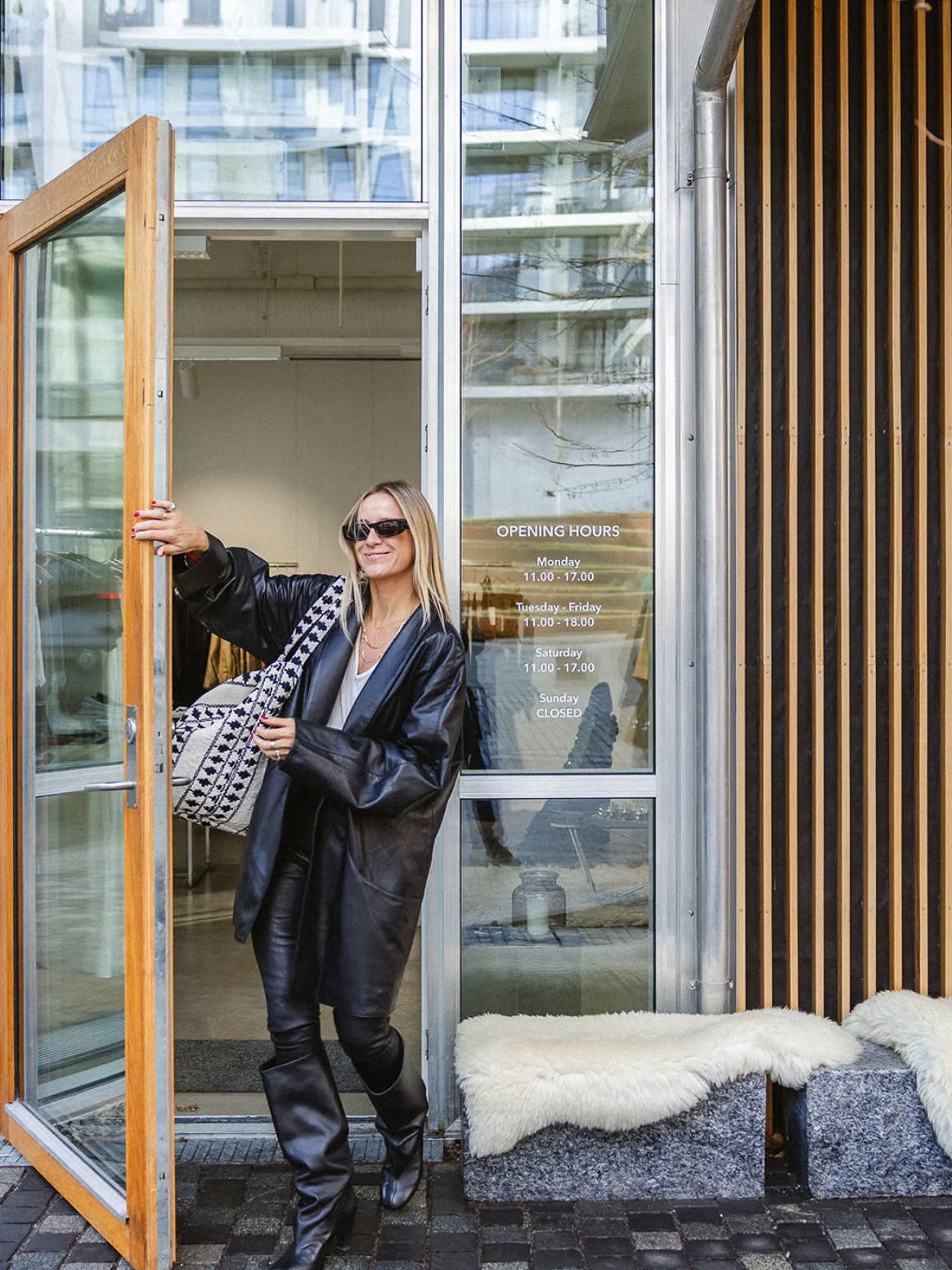
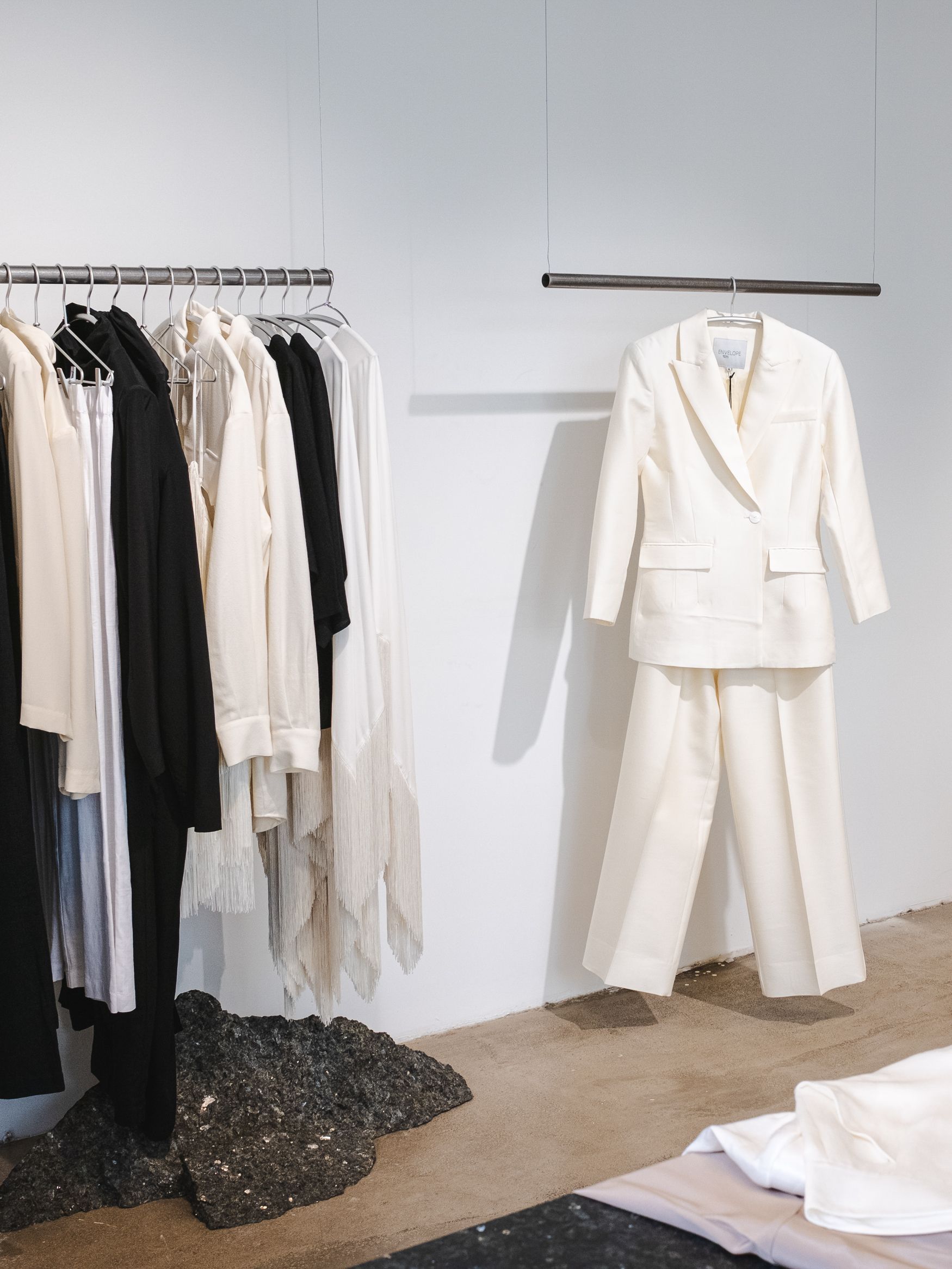
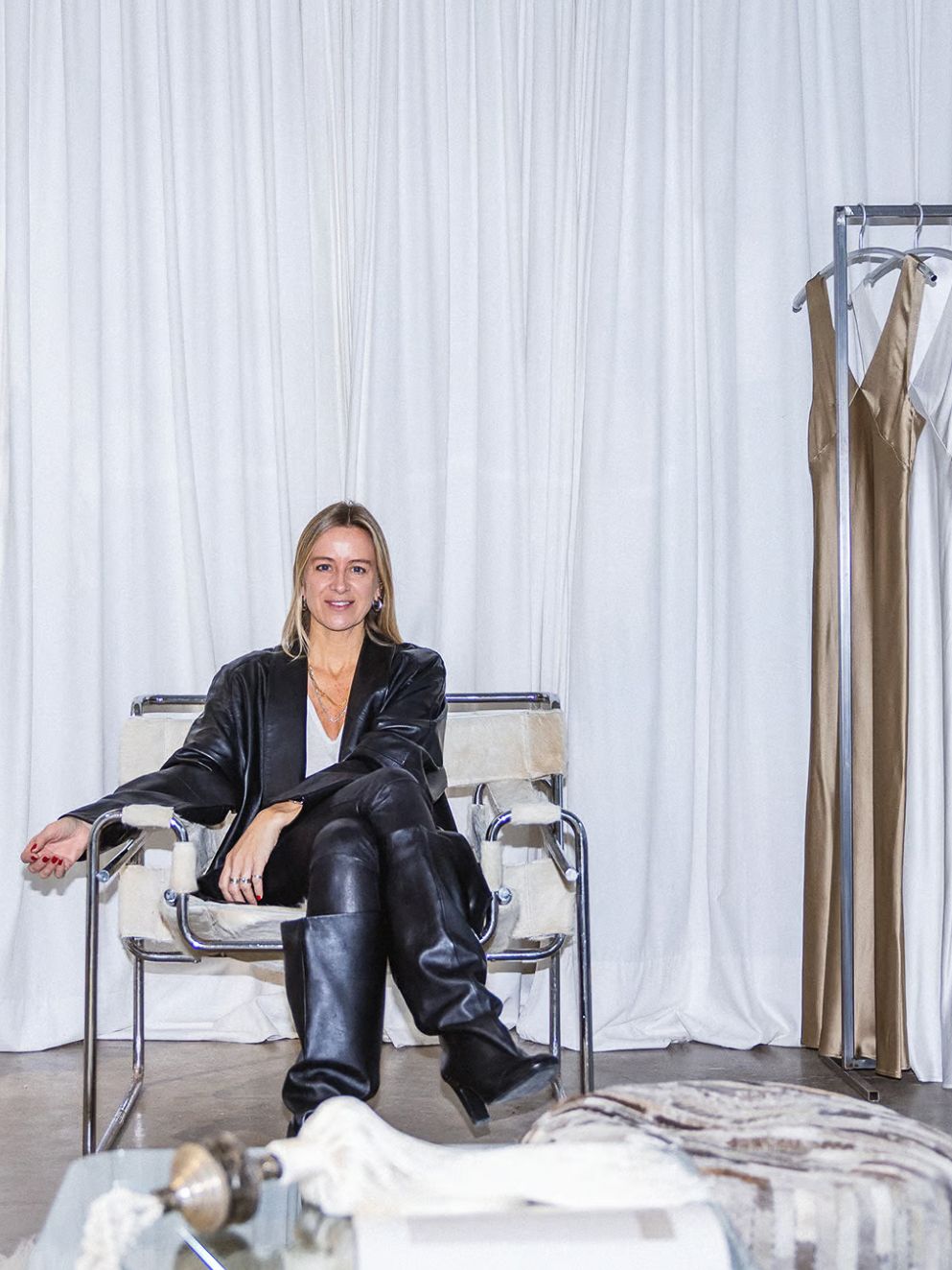
Celine Irgens Aagaard, who is behind the stylish store, is inspired by shapes and materials in nature. Envelope1976 abounds in good natural materials such as merino wool, silk and organic cotton. But also stone. Specifically, larvicite from the quarry right next to Celine's cabin.
– The first time I saw the venue here in Oslobukta, I thought about how I could bring in elements of nature and rawness, says Celine.
She found the answer in larvikite, the glistening dark rock from Larvik. Hewn from stone that had become worktops and facades, lay in sculptural forms around the quarry. Ready to be handpicked by Celine, who saw art where others saw debris.
It was in the same way that Celine's interest in fashion was awakened. From a young age, she saw the potential to create new, unique garments from old clothes.
"SECOND-HAND CLOTHES WERE JUST HEIRAILS AT THE TIME, AND IT WAS REALLY A LITTLE TABOO."
But that didn't stop the fashion-obsessed teenager, because it wasn't so easy to find the clothes she liked in the chain stores. Celine rather sewed suit jackets from the thrift store, and dressed in her grandfather's old, oversized clothes. If she couldn't find the sweater she envisioned, she just as well knitted it herself.
Fast forward a few years, past a rich career in the magazine industry, where Celine combined journalism with her passion for fashion. The dream of creating something of their own was realized with Envelope1976, but there are many roles to fill when a brand is established.
– I guess I'm a kind of potato, merged with an octopus with many arms, says the fashion entrepreneur. Fortunately, she was not completely alone. Celine teamed up with Pia Nordskaug, who at the time worked in an agency. In an industry that has long been an environmental disaster, they had a common desire to unite fashion with sustainability.
– When we started out, there were few people who focused on sustainability. It was almost synonymous with the garments not having a high degree of fashion, says Celine.
"IT DOESN'T HELP TO MAKE PANTS IN ORGANIC COTTON IF IT'S NOT NICE AND YOU END UP WEARING IT TWICE."
The solution was to focus on timeless garments in good materials, which can be used in several ways. A concept for the minimalist bohemian, with clothes she never gets tired of. Celine shows us garments that can be turned around or twisted, and combined in countless ways to create new outfits. She is concerned with layers and develops collections from the inside out.
Because as she says, it's a bit of a shame to wear a cashmere sweater if the t-shirt underneath is of poor quality. In order for the garments to last beyond trends, the collections for Envelope1976 are kept in a timeless palette.
– With a few exceptions, we are faithful to earth tones. It is important to be true to your own concept. There are so many good concepts in Oslobukta, so we have to do our part to stand out. That's exactly what I think we can all get better at; not to look too much at what others are doing, but to be true to ourselves.
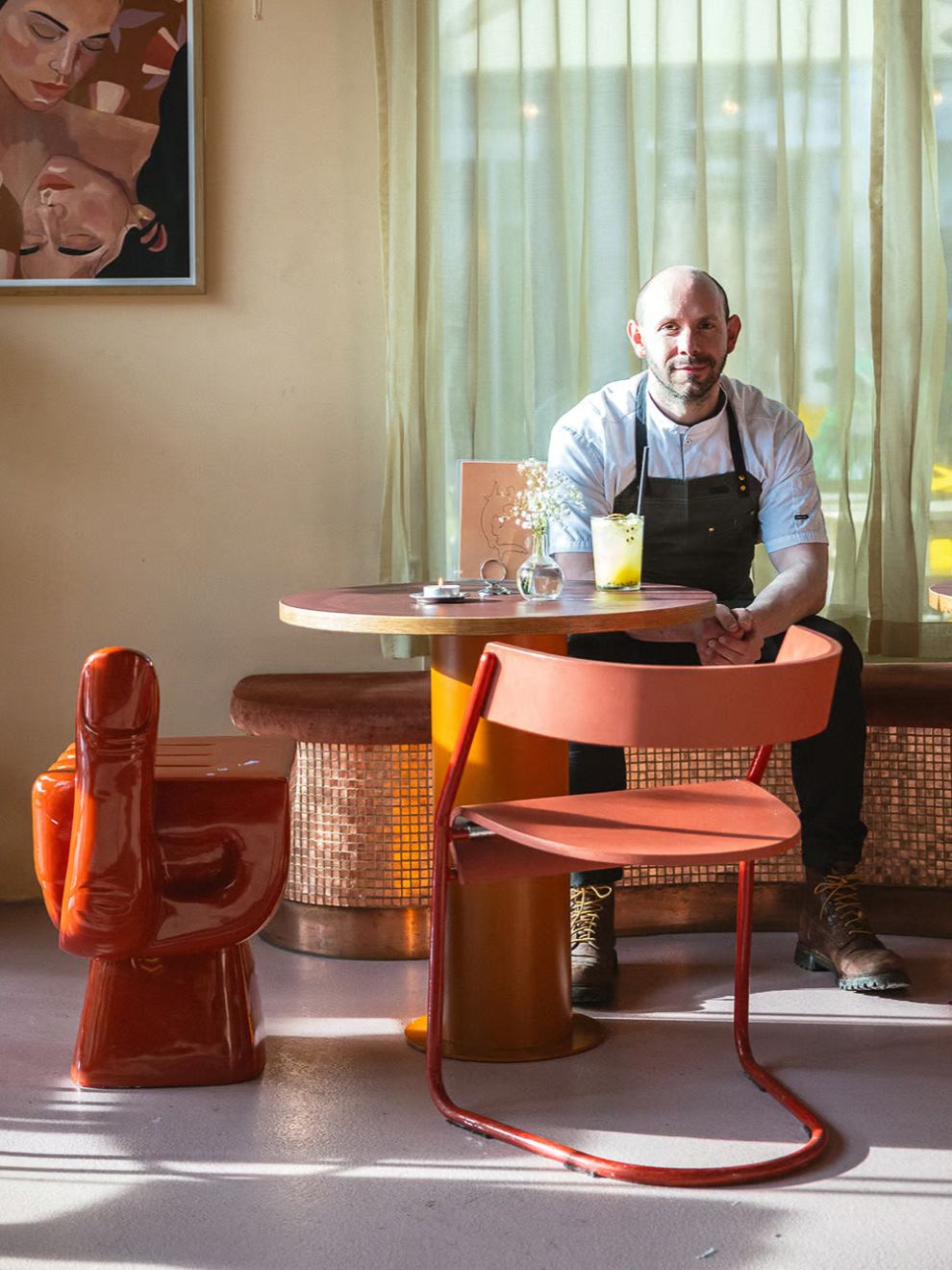
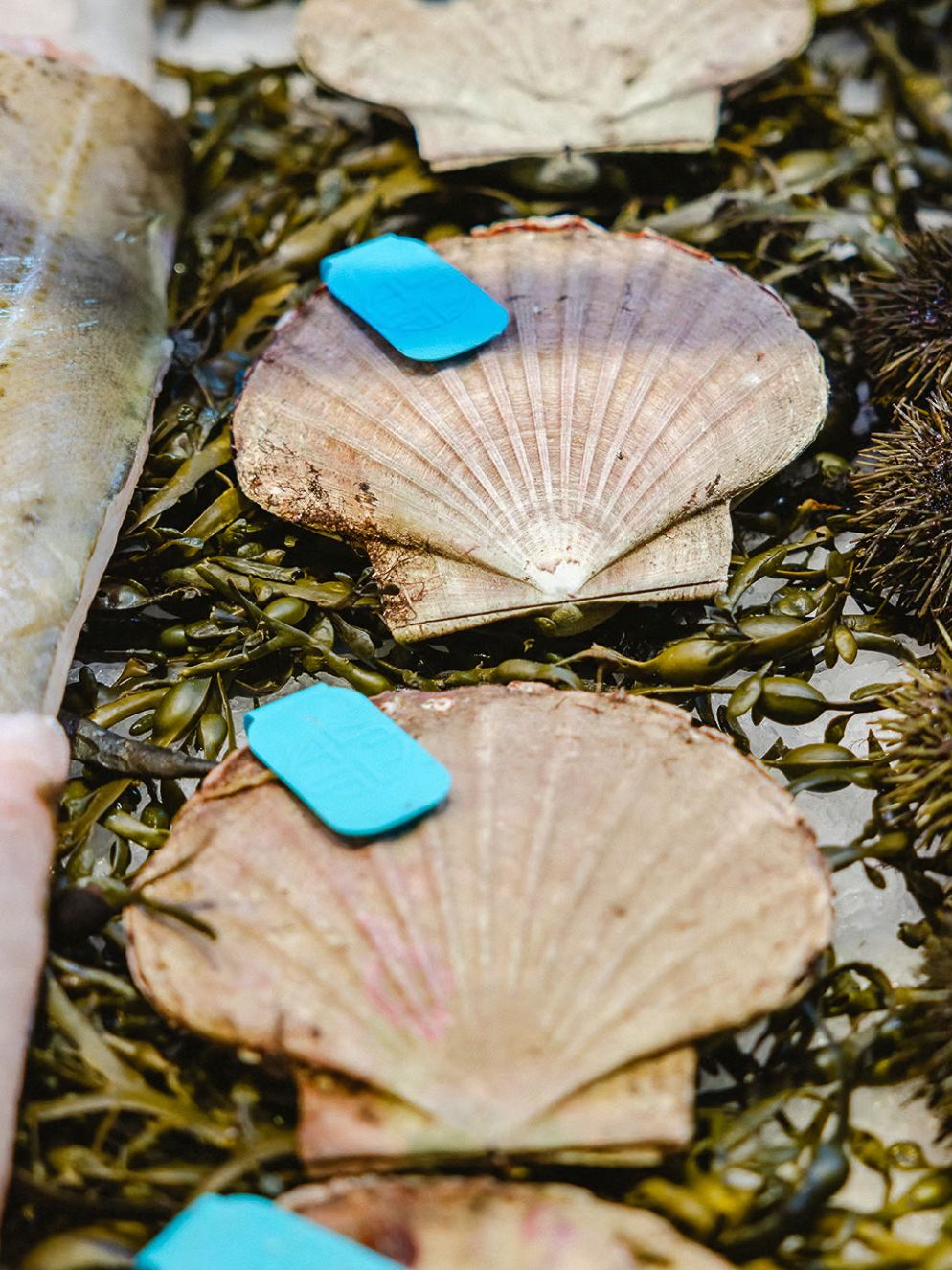
Behind the most anonymous door in Oslobukta hides a tiny restaurant that the whole city wants to eat at. At Varemottaket, it will be fully booked just a few minutes after the table reservation opens, but if you don't get a table, you can always buy the wonderful ingredients that the restaurant uses. At Annis Pølsemakeri, which is the shop at the front, the counter is full of fresh temptations.
If you have heard of the restaurant Varemottaket, it is probably from a satisfied customer. Perhaps you know someone who has boasted with great enthusiasm about the best tartare of their life, or an experience a little out of the ordinary. In a few months, the new restaurant has become so popular that they don't need to talk about it – people do it for them.
On the website of Annis Pølsemakeri there are a few scant lines, and on the restaurant's Instagram, which has thousands of followers, there is a solitary post. But when reservations open every night at midnight, the restaurant is fully booked in less than two minutes. The secret is simple, according to Daniel, son of Anni herself and the man behind the successes in Oslobukta and Mathallen at Vulkan:
"IT'S JUST GREAT FOOD AND A GOOD ATMOSPHERE. WE ARE PROBABLY THE HARDEST RESTAURANT IN OSLO TO GET A TABLE RIGHT NOW, BUT THOSE WHO COME HERE LOVE IT."
Daniel explains the food style by saying that it is not overcomplicated – just good flavors.
– Everything has a good and simple sauce, and the food is made with the best ingredients. Meat and fish naturally come from Annis, while good vegetables are sourced locally.
From the small room, which in the evening accommodates some of Oslo's luckiest over two table settings, we get an insight into the open kitchen and the small back room. The walls are covered in yellow sticky notes, forms and timetables all over the place.
Even in a small kitchen, there is a lot that needs to be planned for the serving to go smoothly. Between the logistics, spontaneous messages from satisfied customers hang on napkins and small notes.
On an American dollar bill we can read that the service was "amazing" and the food "perfect". Norwegian food reviewers agree, and praise both the food and the informal atmosphere. The chefs are in and out of the open kitchen, playing behind the grill one moment and chatting with the guests the next.
A few years ago, Daniel drove through Oslo. He saw a large window that gave a view of the life and traffic in Dronning Eufemias gate. "I want that window", thought Daniel, and so it happened. Annis Pølsemakeri had expanded from Ringebu to Oslo with the meat counter at Vulkan many years earlier, but the large demand required more space. With the airy store in the Oslobukta, they could fill the shelves with everything from the legendary sausages to the city's largest T-bone steak, dry-aged porterhouse and cheeses with tasty names such as Gorgonzola Dolce.
With the sea breeze right outside the door, it is only natural that good seafood can also be found at Annis.
– As soon as we started talking about having a fish counter here, we knew it should only be wild caught, says Daniel, as he shows us beautiful scallops and fresh catch on the counter.
– Everything here is Norwegian, and we have never farmed. We only have what was fished in the last couple of days. Many people are used to being able to buy fish such as salmon and trout all year round, but we only have that for a couple of weeks a year.
"THIS IS WHAT IS IN SEASON IN NORWAY, AND IS FISHED HERE AND NOW."
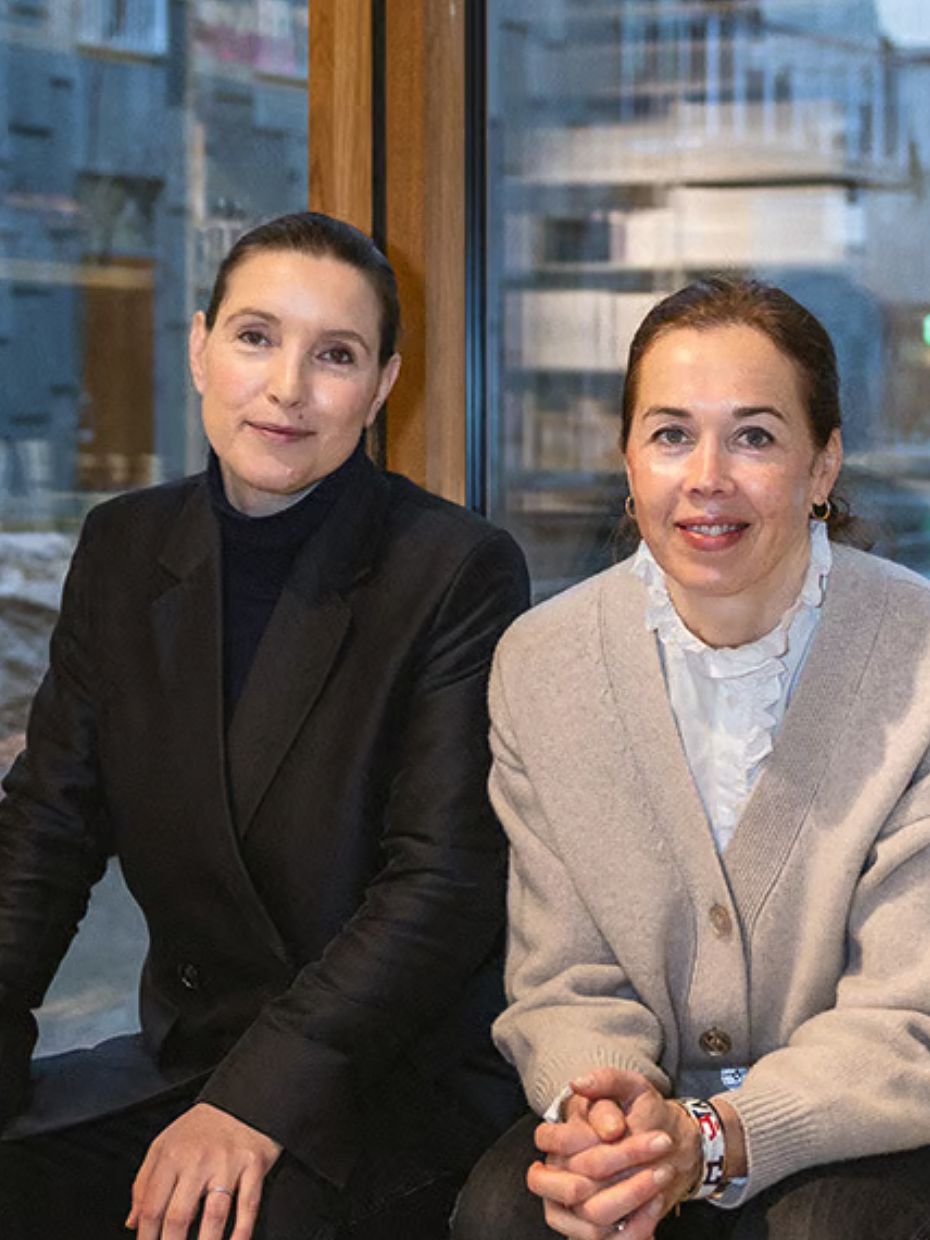

"THE SENSE OF SMELL IS RIGHT NEXT TO THE MEMORY CENTER IN THE BRAIN, SO IT'S A SHORT CONNECTION."
That's what Christiane, who owns Heaven Scent with Ingvild, says. A shop that focuses on fragrance in particular, and offers an exclusive selection of everything from perfume and interior fragrances, to make-up and care for the body, skin and hair. They share experiences about how customers can sometimes be taken completely to bed by the strong experience a scent can give, and get reactions they had not at all imagined. A scent that evokes a childhood memory can quickly bring tears to the eyes.
– Smell is an under-communicated sense in today's society where everything is so visual. But smelling is a fascinating process, and people get really engaged. This makes it incredibly exciting to work with, continues Christianne.
Even with 15 years of experience, the fragrance founders say there is always more to learn in a field that is constantly evolving. Ingvild says that people's relationship to fragrance is also changing:
– When we started, many people were keen to have a signature scent, the one scent that really defined them. But now more people see fragrance as a wardrobe. You have something light, and you have something heavy. You have white shirts, and you have dresses. If you wear the same scent all the time, you become immune, she explains.
Fragrance is personal, and that is the unique experience created at Heaven Scent. Here you can have a calmer shopping experience, with plenty of time to find the right scent for you. The owners speak passionately about individuality. If you like a fragrance on another person, it may not work on you. That's why they don't push bestsellers, but help you find something unique, and maybe expand your fragrance repertoire a little. They compare it to how we relate to food and wine:
"IN THE BEGINNING, YOU MAY HAVE A SLIGHTLY LIMITED PALETTE, AND IT'S NOT EVERYTHING YOU LIKE, BUT YOUR TASTE DEVELOPS OVER TIME."
The more you have tasted – or smelled – the more you like it. You become more open to trying new things. That is precisely part of our concept; to introduce people to something they didn't know existed, to open up a new world of fragrances.
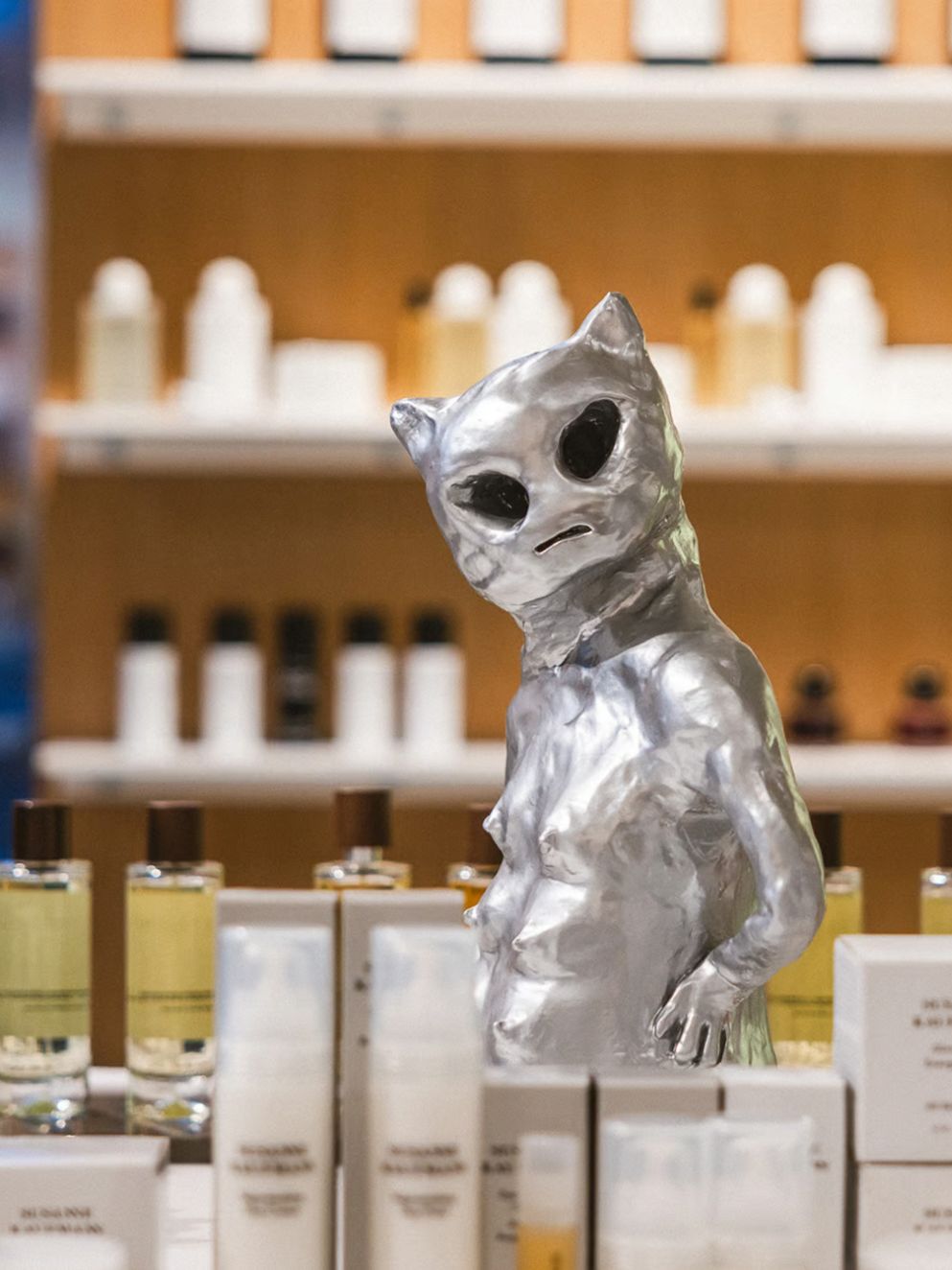
Between perfumes and creams, you will find elements of art in the room, which feels completely natural in a district with galleries and culture on all sides. Exciting sculptures and beautiful ceramic dishes are on loan from gallerists, and some are even for sale here in the shop. Not because it adds so much extra to the box, but because it adds something extra to the experience.
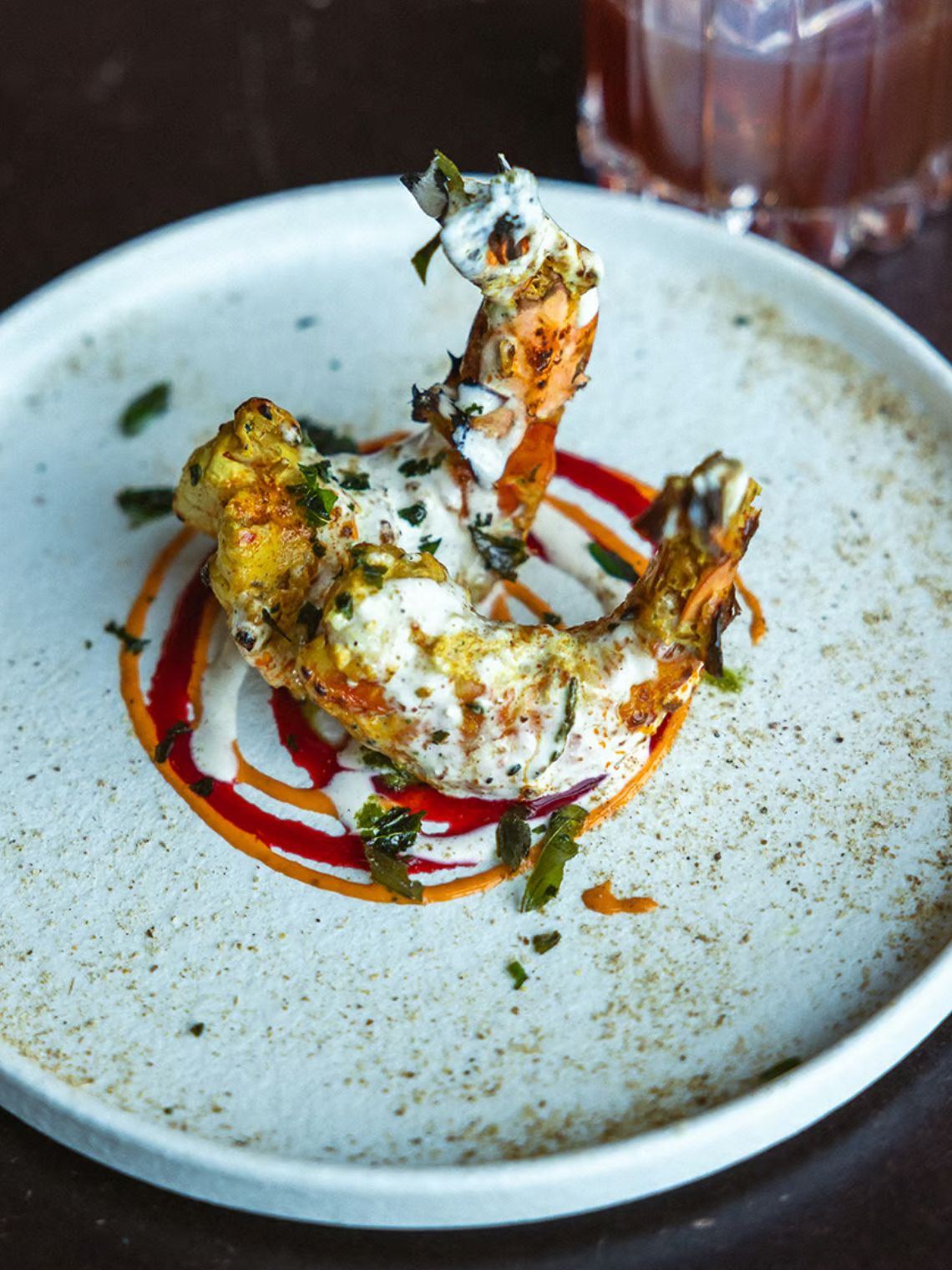
EVERYONE IN THE NORTH LIKES SAFFRON, BUT YOU ONLY ASSOCIATE IT WITH CHRISTMAS."
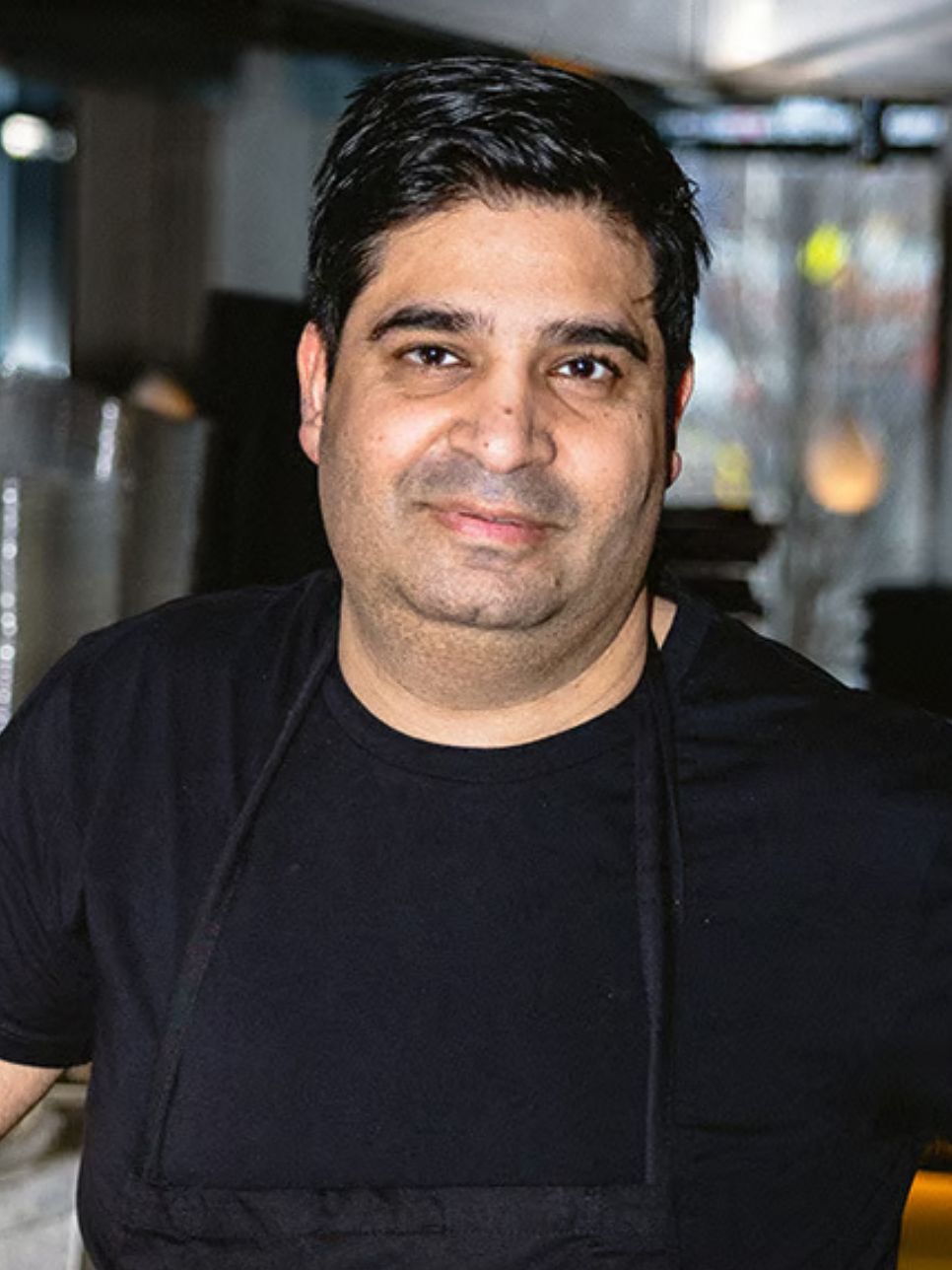
That's what Dheeraj, who owns Indian Street Food & Co in Sørenga, says. He serves us the last dish of the day, which forms a perfect end to the cavalcade of flavors we have experienced here.
Dheeraj has had a taste for Swedish cheesecakes since he moved from India to Sweden 20 years ago. He calls this variant a tribute to the Nordic region, with inspiration and ingredients from both Sweden and Norway. He eagerly describes how we will feel the taste of cold, sweet and cardamom when he places the steaming dish on the table in front of us.
Although he calls the dish simple, the presentation is anything but. Dheeraj appreciates the theatrical, and out of the dry ice smoke is revealed a brilliant yellow dessert sprinkled with rose petals. The color is so wonderful that you can almost taste it in every bite.
– Rub them in your hand, and then you smell, instructs Dheeraj about the grains of rice we have got in our fists. He is constantly running in and out of the kitchen to get new things he wants us to taste. This time he comes out with a sack of rice, which he specially imports to get just the right taste. Rice is not just rice, and the scent is important with basmati, he can tell.
When the rice is cooked, he adds a little turmeric to heighten the flavor, and soon a plate of yellow rice and butter chicken is on the table, to illustrate what he means. Although Dheeraj likes to change the entire menu regularly, there are some dishes that many want to have again and again. Like butter chicken. That is why he has created his own version.
"IT'S FRESHLY GRILLED. YOU SHOULD FEEL THE TASTE OF SMOKE. AND OF COURSE THE BUTTER!"
Dheeraj has always carried the importance of good raw materials with him in his luggage.
– You must respect all raw materials, and respect the animals. You must respect all living beings, they deserve that. Dheeraj shows us an old photo of a group of people outside a restaurant in India. The picture was taken in Manali, a small town by the mighty Himalayan mountains. This is where his food journey started, in the restaurant that his dad opened in 1962. It was a street food restaurant and it is a style of food that Dheeraj still loves.
– You have to feel that this is a level above, but I will continue to call it casual dining. You have to understand that here the food arrives quickly, because Indian food must be eaten hot! Although we try to make everything nice, there should still be simplicity in it. People often find it easier. There will be a lower threshold for stopping by the restaurant, eating a little and enjoying yourself, he elaborates.
Due to the success of Indian Street Food & Co, Dheeraj is often asked to be the chef when there is an Indian state visit to Scandinavia. The Swedish king is already a fan of his food, so if Harald also gets a kick out of it, just pop in. Dheeraj recently received the Annapurna award for his role in promoting Indian cuisine in the Nordics. And precisely this is important to him; to let more people experience Indian flavors in new, innovative ways. Another dish arrives on the table, and it obviously tastes Indian, but in a way we've never tasted before.
– That's the whole idea, Dheeraj nods happily. As we continue to eat and talk, we look into the open kitchen behind us. There, a man deftly handles a dough in the air, before it hits the counter and disappears into a tandoori oven. He learned the technique from Dheeraj's father, at the small restaurant in Manali.
"IT MAY TAKE 25 YEARS TO MASTER THIS TECHNIQUE, THERE ARE NOT MANY WHO CAN DO LIKE HIM."
He says that the man makes naan bread with Västerbotten cheese, as if it is the most natural combination in the world.
The stylish venue we are in is probably not what you associate with a classic Indian restaurant – and that is completely deliberate.
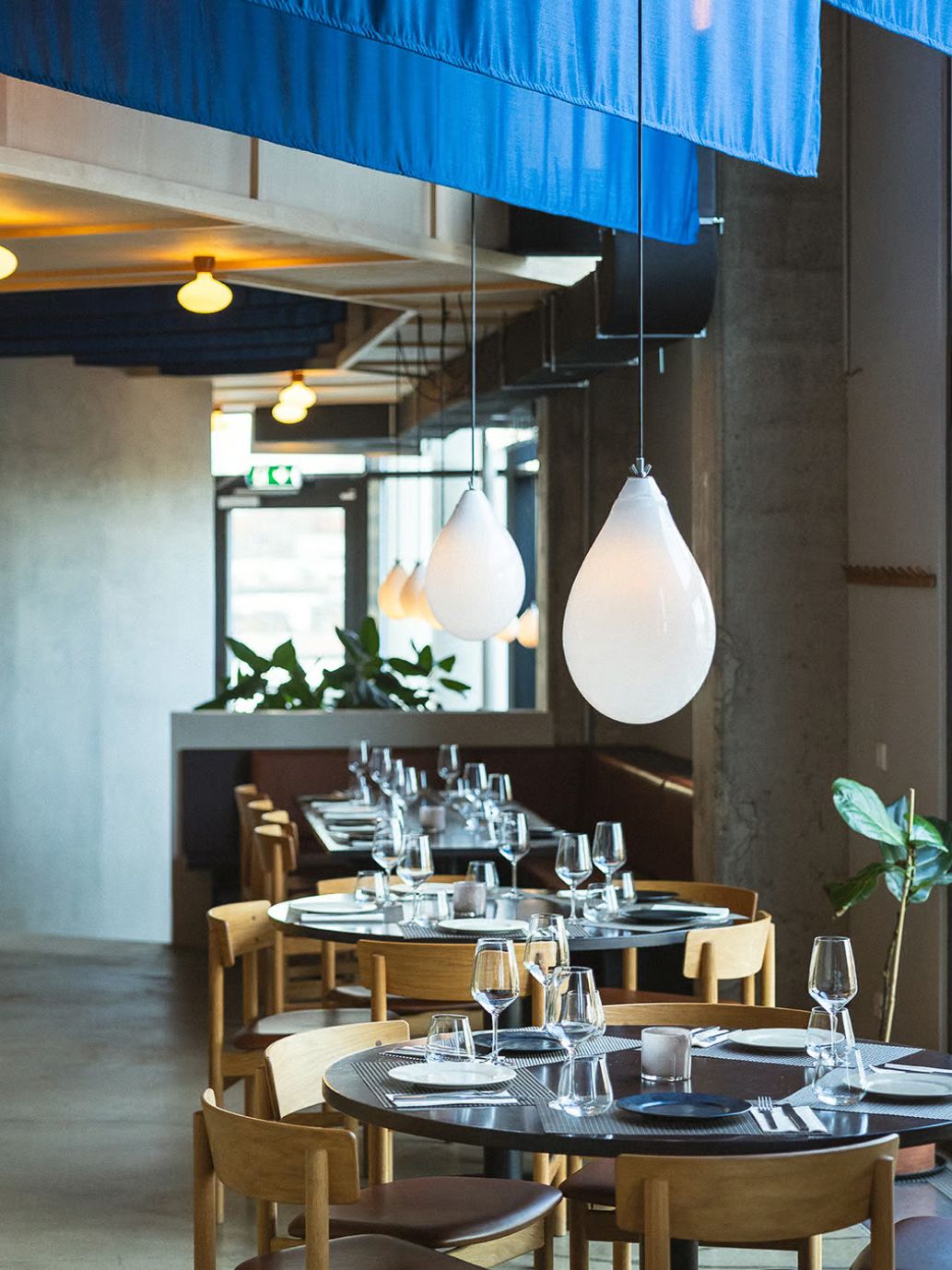
– People expect lots of colour, and think of traditional India. But we represent the modern. We come from a newer part, an India that is new and fresh, where the young talk about design and expect good quality, he explains. Airy blue pieces of recycled Indian fabric hang from the high ceiling, while the rest of the interior has a more Scandinavian look. Just as with raw materials, he has tried to find a lot locally.
"IT'S A GOOD COMBINATION OF STONE, GOOD WOOD, DESIGN AND SUSTAINABILITY."
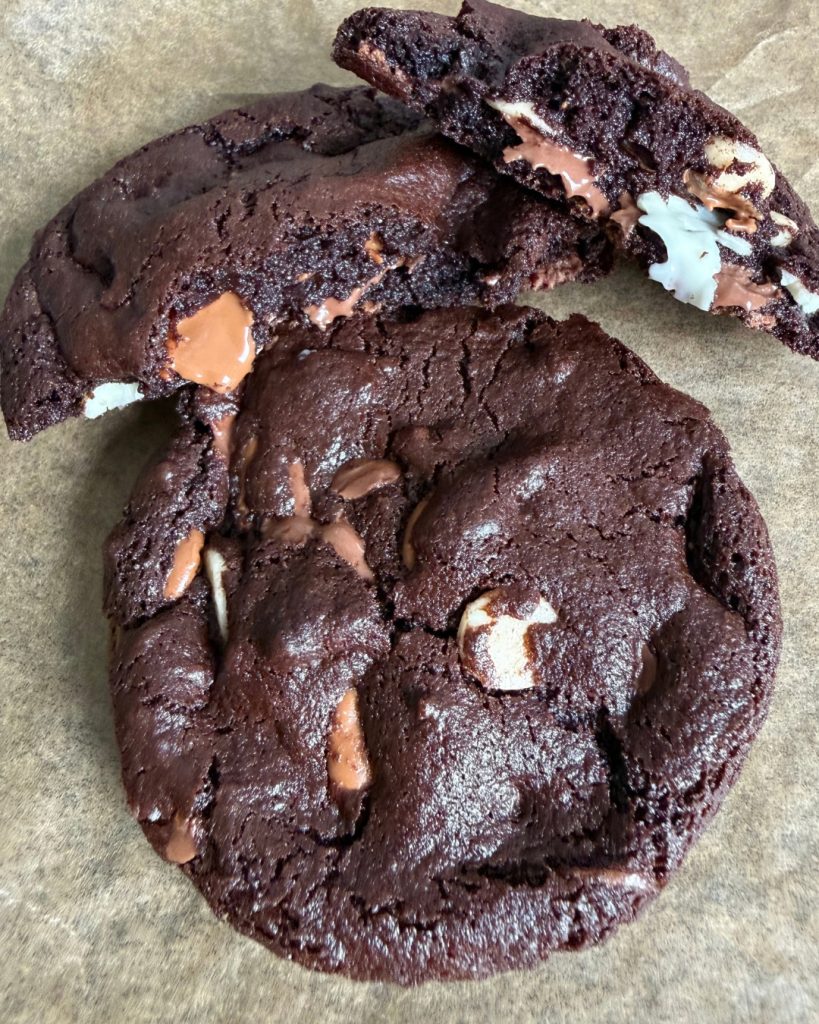
SLEKT is opening a cookie pop-up in Bjørvika! Four kinds of chocolate chip cookies, baked in a dedicated gluten-free kitchen. Find them at Operagata 65C from 21 October to 1 November, Wednesday…
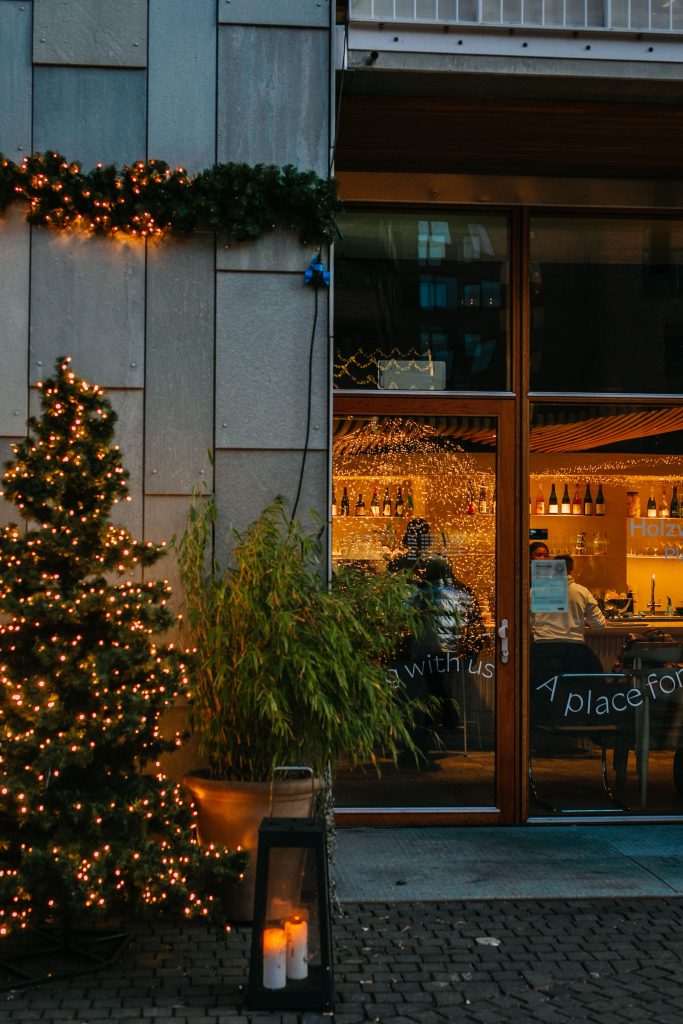
Are you planning a Christmas party with friends, family, or colleagues? In Oslobukta, you'll find several cozy restaurants for both Christmas lunch and Christmas parties!
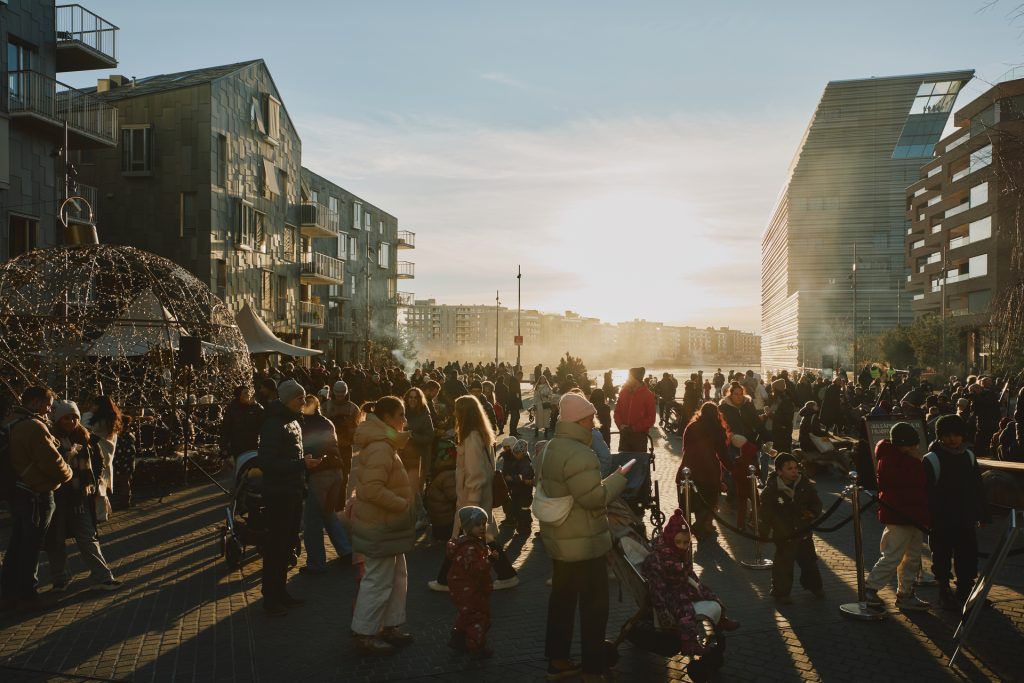
On Saturday, November 21, the Christmas lights are switched on in Bjørvika. Join us for a full day of holiday cheer, gingerbread cookies and surprises for the whole family, from Stasjonsalmenningen to…
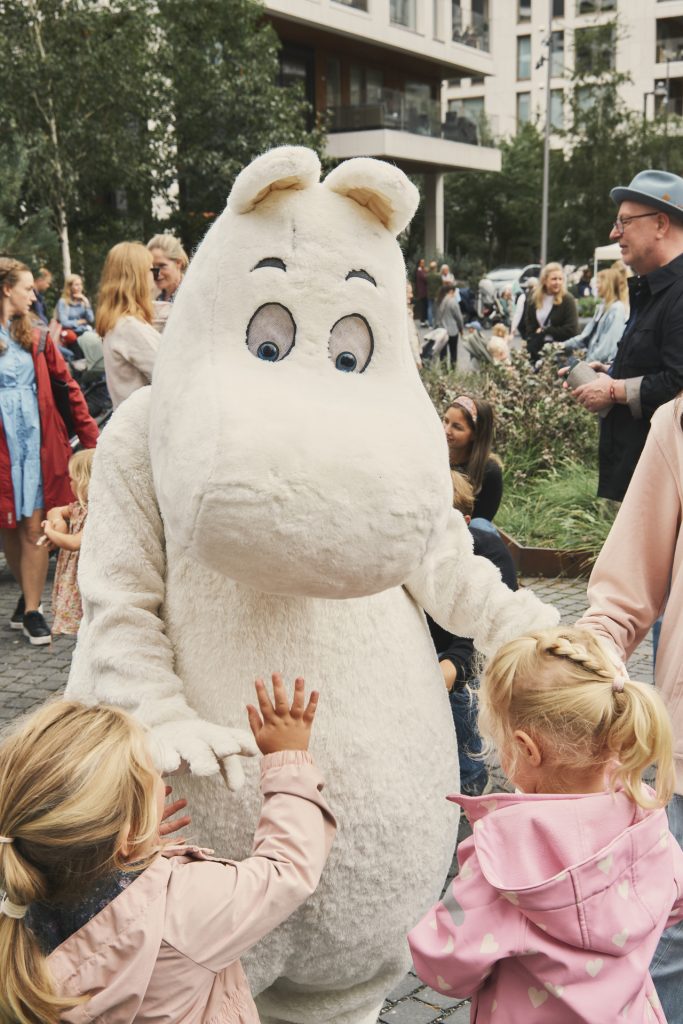
Join the Moomin family and their friends on an adventure into the magical Moominvalley during Moomin Day 2026 in Oslobukta! The event is free and open to everyone.